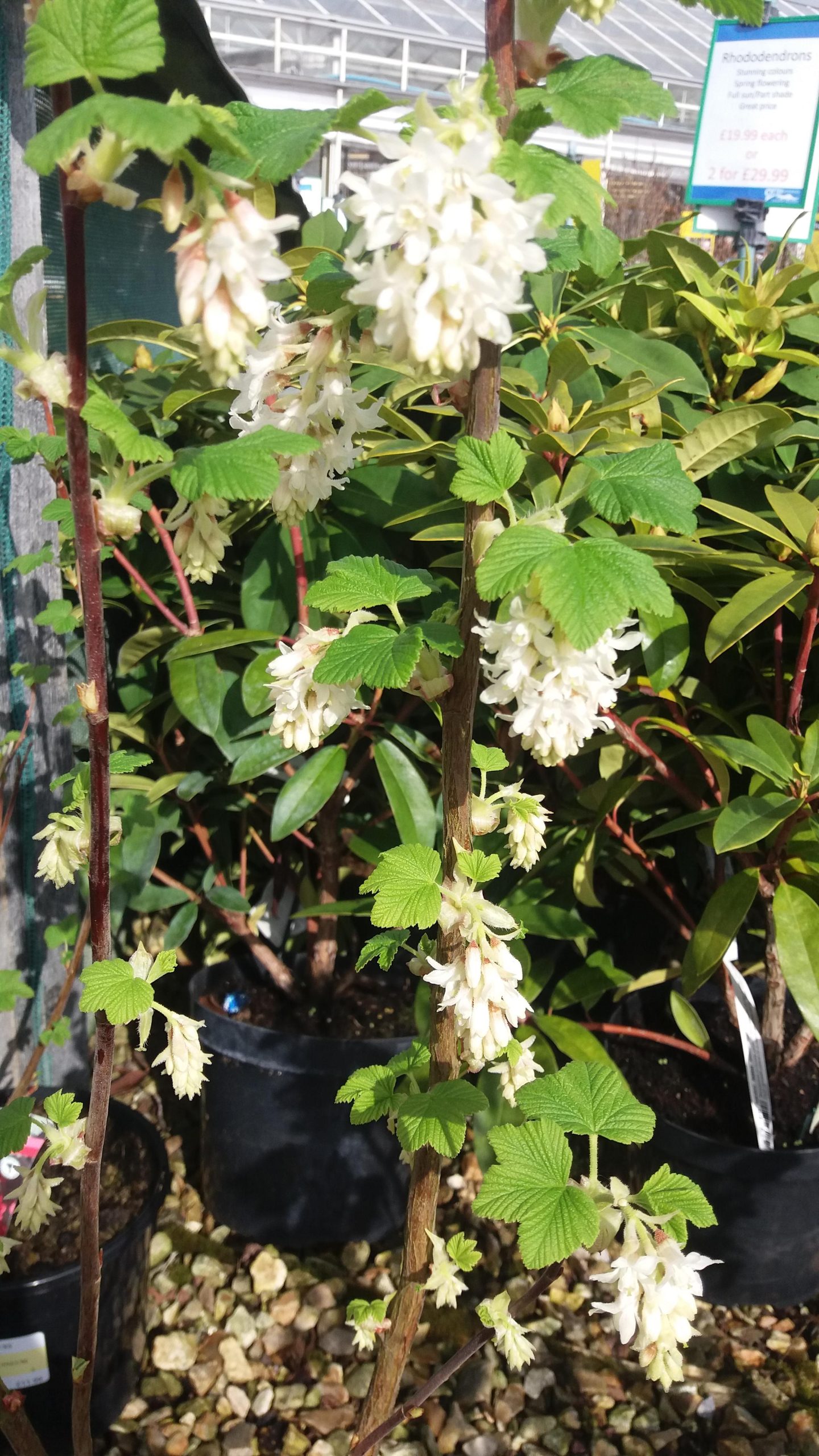
In the enchanting realm of UK gardens, Ribes Somerset White, the white flowering currant, emerges as a captivating shrub, bringing a delicate touch of elegance to outdoor spaces. Celebrated for its cascading clusters of fragrant, white blossoms, this deciduous beauty not only graces the landscape with its charming blooms but also stands out as an excellent choice for hedging.
Pruning and caring for Ribes ‘Somerset White’ are key to maintaining its hedging appeal and ensuring its overall health. Regular pruning in late winter or early spring helps shape the shrub and promotes denser growth, making it an ideal candidate for hedging. Remove any dead or crowded branches to enhance air circulation and stimulate new flowering shoots. This white flowering currant thrives in well-drained soil and prefers a sunny to partially shaded location, offering versatility in various garden settings.
As an attractive and fragrant hedging option, Ribes ‘Somerset White’ becomes a favored selection among UK gardeners. Its ability to provide both visual interest and a functional garden boundary showcases the versatility of this deciduous shrub. With proper pruning and care, this white flowering currant becomes a living tapestry of blooms, transforming UK gardens into fragrant havens of natural beauty.

 distinctive variegated leaves, featuring shades of green and cream, this deciduous climber offers a visual delight that complements the British climate.
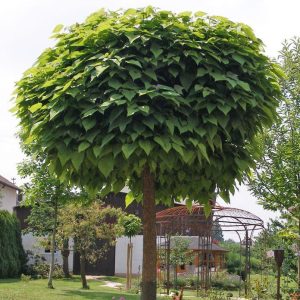 just above the previous cuts to avoid exposing older wood susceptible to decay. As the tree matures, occasional thinning may be necessary to evenly space out the remaining shoots, removing any overcrowded growth. Additionally, eliminate shoots appearing on the main trunk or suckers from the base of the tree.
 Root Cranesbill, takes centre stage with its delicate beauty and enduring appeal. This graceful perennial boasts intricate white blooms against deeply lobed foliage, creating a stunning contrast that captivates the eye.

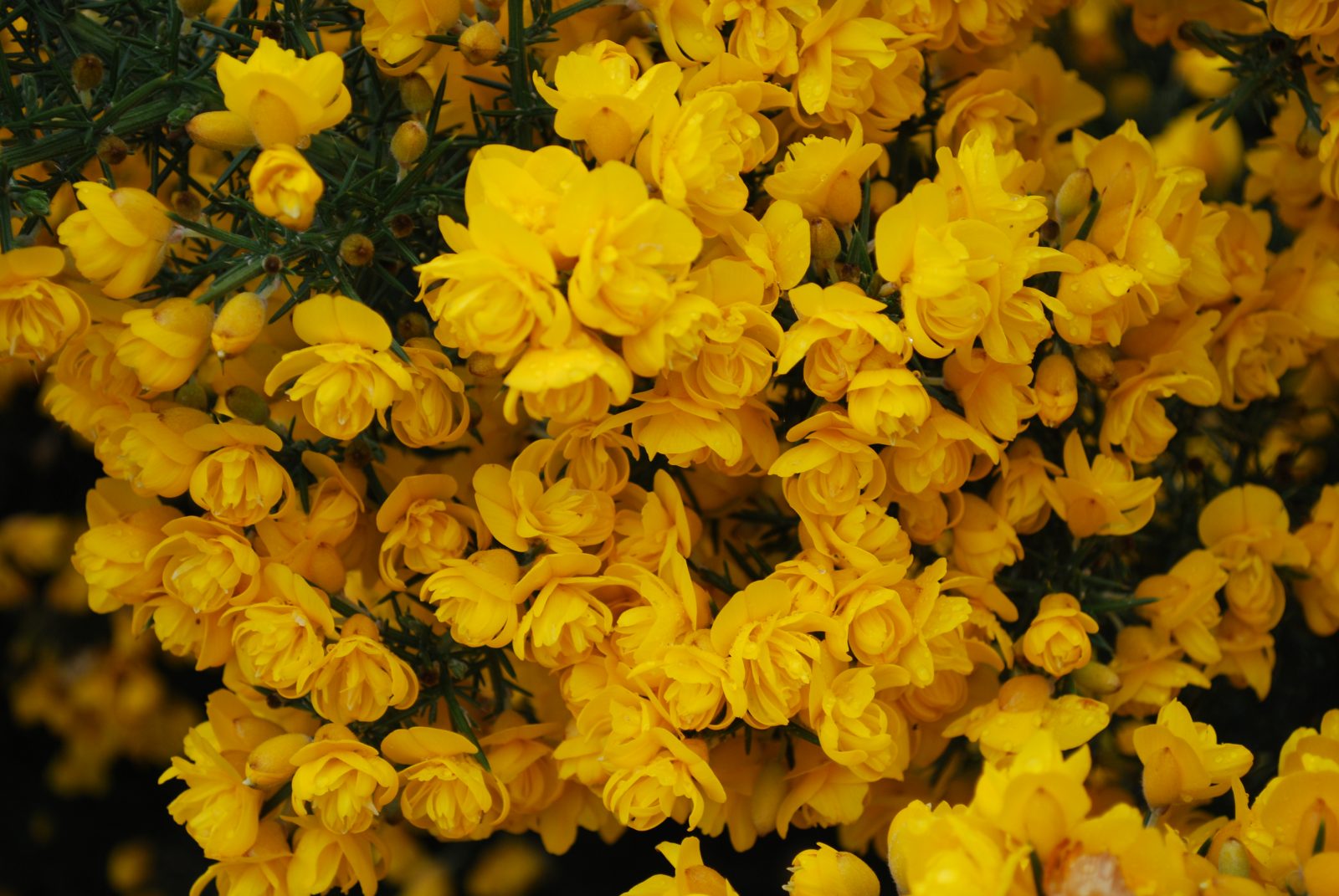

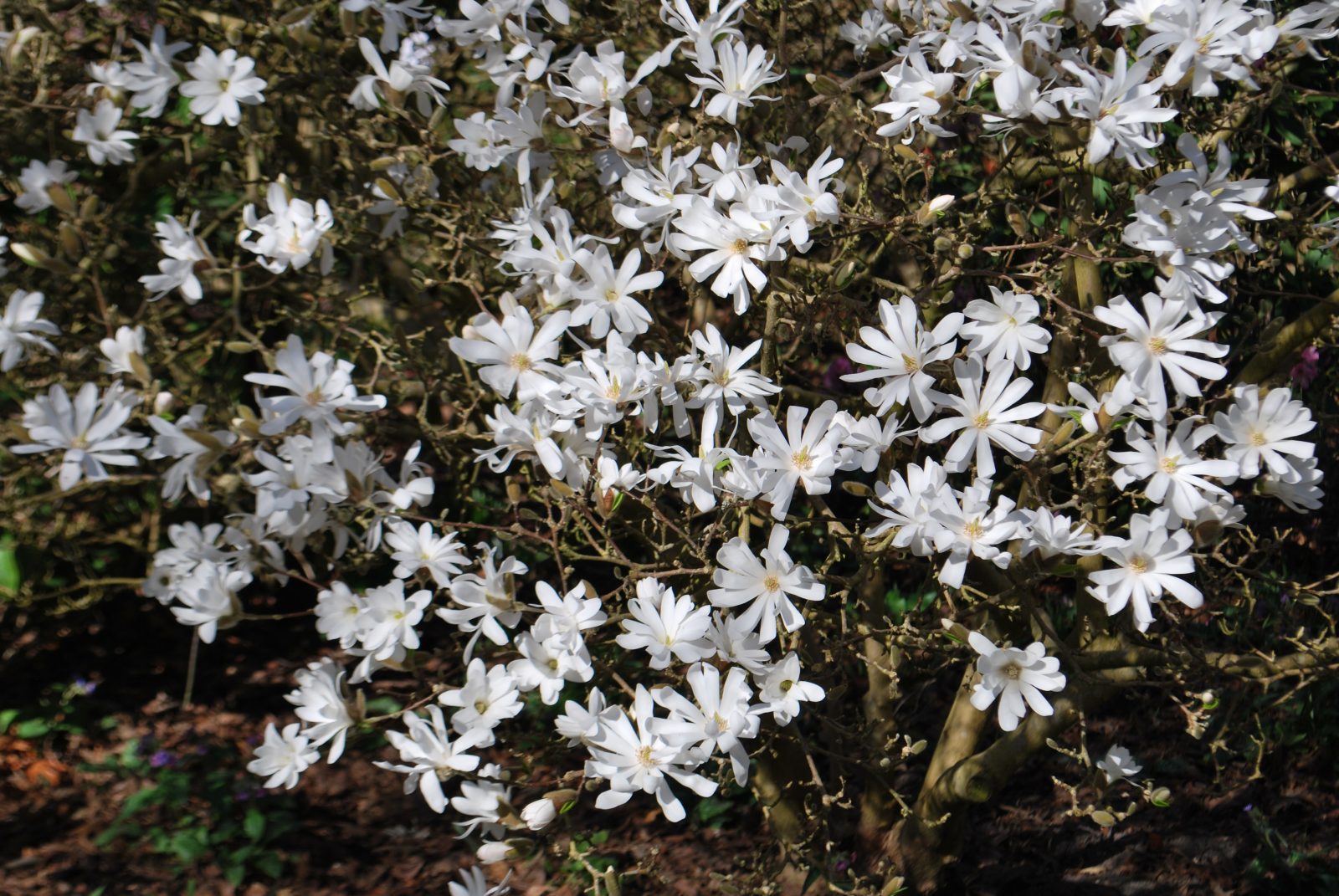



 leaves and sweetly scented, ball shaped, lemon flowers which are formed in the Autumn then open during late Winter / early Spring, and which are highly attractive to butterflies, bees and other beneficial insects to be found in our gardens. Suitable also for coastal areas.
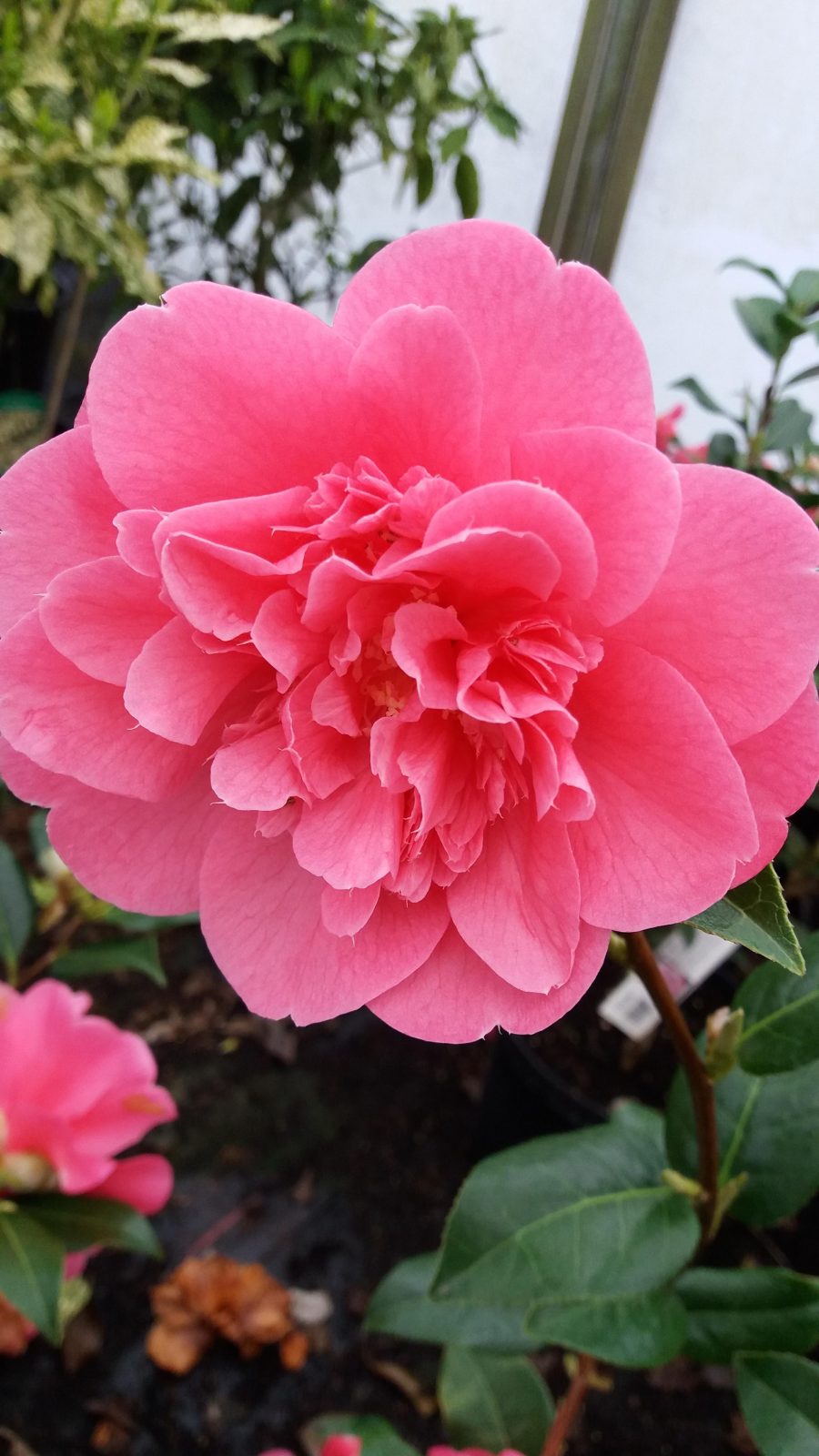
-300x169.jpg) With Spring now just around the corner we can look forward to many of our early flowering plants. The Camellia plant is always a great favourite, having given us the benefit of its wonderfully large, dark green, glossy leaves throughout the Winter, we can now look forward to seeing it blossom.
With Spring now just around the corner we can look forward to many of our early flowering plants. The Camellia plant is always a great favourite, having given us the benefit of its wonderfully large, dark green, glossy leaves throughout the Winter, we can now look forward to seeing it blossom. 
-150x150.jpg)