Phlomis Russeliana

Phlomis Russeliana

In the mosaic of UK gardens, Phlomis Russeliana, also known as Turkish Sage, emerges as a perennial gem, gracing outdoor spaces with its unique charm and resilience. Renowned for its whorls of hooded, yellowPhlomis Russeliana flowers that encircle sturdy stems, this herbaceous perennial adds a touch of architectural elegance to British gardens.

Pruning and caring for Turkish Safe are straightforward tasks, contributing to the plant’s longevity and visual appeal.  Periodic deadheading of spent flowers not only encourages continuous blooming but also maintains the overall neatness of the plant.  While Phlomis Russeliana generally requires minimal pruning, cutting back the stems in late Spring can help control the height and promote bushier growth. Thriving in well drained soil and partial to full sunlight, this perennial is well suited for a variety of garden settings. 

Phlomis Russeliana becomes a reliable and low maintenance choice for gardeners seeking a perennial that combines resilience with aesthetic allure.  With its ability to attract pollinators and withstand the temperate climate, Turkish Sage stands as a symbol of enduring beauty in gardens, weaving a thread of timelss elegance into the intricate tapestry of nature.

Callistemon Pallidus

Callistemon Pallidus

Embrace the vibrant allure of the Lemon Bottlebrush, scientifically known as Callistemon Pallidus, as it graces UK gardens with its unique charm. This Australian native shrub is gaining popularity for its distinctive lemon-yellow flower spikes, adding a refreshing burst of colour to our gardens.Callistemon Pallidus

Callistemon Pallidus, commonly referred to as the Lemon Bottlebrush, stands out as a delightful evergreen shrub, showcasing its cylindrical blooms reminiscent of bottlebrushes. Planted in both sunny and partially shaded areas, this compact shrub adapts effortlessly to varying soil conditions, making it a versatile choice for UK gardeners seeking both resilience and aesthetic appeal.

Pruning and Care: Ensuring the optimal growth of your Callistemon Pallidus involves periodic pruning. Trim back spent flower spikes after their bloom to encourage new growth and maintain a tidy appearance. Lightly prune the shrub in late winter or early spring to shape and control its size. As a low-maintenance plant, the Lemon Bottlebrush thrives in well-drained soil with regular watering, particularly during dry spells. Keep an eye out for signs of stress, but rest assured, with proper care, Callistemon Pallidus will continue to captivate with its lemony blooms, enhancing the beauty of your UK garden year-round.

Creating a Zen Garden vs. Grass: A Guide to Tranquil Outdoor Spaces

Stipa Pony Tails

In today’s fast-paced world, finding moments of calm and relaxation in your garden can make a world of difference. Whether you have a large outdoor space or just a small corner to transform, creating a Zen garden or opting for a grass garden can help cultivate a peaceful retreat. But which one is right for you? Let’s compare the two to help you make an informed decision.

Zen Garden: The Ultimate Tranquil Escape

A Zen garden, or Japanese rock garden, offers a serene, minimalist atmosphere. It typically features smooth gravel or sand, which can be raked into patterns to symbolise water ripples or waves, providing a visually calming experience. To enhance the space, you can add stone features, bonsai trees, or small shrubs. The simplicity of a Zen garden invites contemplation, making it a great space for mindfulness practices, such as meditation. Zen gardens are particularly ideal for small, low-maintenance areas, as they require minimal upkeep, often relying on a few well-chosen plants and gravel rather than expansive lawn care.


Grass Garden: Green and Inviting

On the other hand, a grass garden offers a soft, inviting outdoor area perfect for relaxation and family time. Lawns provide a cool, expansive green backdrop, ideal for playing, picnics, or simply lying down to enjoy nature. Grass requires regular maintenance to keep it lush and healthy, including mowing, watering, and occasional fertilising. For those who love a bit of work and enjoy outdoor activities, a well-kept grass garden can be a grounding, natural retreat.


Which one to choose ?

If you prefer a serene, minimalist space for relaxation and reflection, a Zen garden might be your ideal choice. However, if you enjoy a traditional, family friendly space to play and gather, then a grass garden could be more suited to your lifestyle. Both options create a tranquil outdoor environment, but each offers different benefits depending on your needs.

Embrace peace in your garden, no matter how you choose to cultivate it.

Arundo Donax Variegata

Arundo Donax Variegata

Dive into the world of ornamental grasses with Arundo Donax Variegata, the Variegated Giant Reed, addingArundo Donax Variegata a striking tapestry of colour and texture to gardens across the United Kingdom. This elegant grass variety, known for its distinct variegated foliage, stands as a captivating choice for those seeking both visual appeal and architectural interest in their outdoor havens.

The Variegated Giant Reed, with its tall, bamboo-like stems adorned with green and creamy-white striped leaves, creates a dramatic presence in UK landscapes. Its adaptability to various soil types and its preference for sunny locations make it a versatile addition to gardens throughout the UK, infusing spaces with a touch of Mediterranean charm.

Pruning and Care: Maintaining the Variegated Giant Reed’s grace and beauty involves a straightforward approach to pruning. In late Winter or early Spring, cut back the stems to ground level to encourage new growth. Regularly remove dead or damaged foliage to keep the plant looking neat and healthy. Arundo Donax Variegata thrives in well-drained soil and appreciates occasional watering, particularly during dry periods. With minimal care and pruning attention, this ornamental grass will weave a stunning variegated tapestry, adding an artistic flair to your UK garden throughout the seasons.

Azara Gilt Edge

Azara Gilt Edge, commonly known as the Boxed Leaf Azara, is a standout shrub that adds a touch of sophistication to UK gardens. Renowned for its glossy, variegated foliage edged in golden hues, this evergreen beauty captivates with its unique aesthetic.

This shrub’s distinctive boxed leaves create a striking visual impact, making it a popular choice for garden Azara Gilt Edgeenthusiasts looking to elevate their outdoor spaces. Azara Gilt Edge thrives in the temperate climate of the United Kingdom, showcasing its vibrant foliage year-round. Its adaptability to various soil types and preference for partial shade make it a versatile addition to British landscapes.
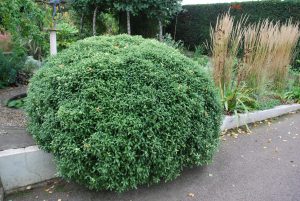
Ensuring the optimal growth and beauty of Azara Gilt Edge involves simple pruning and care practices. To maintain a tidy appearance, prune back any unruly or dead branches in late winter or early spring. This not only helps shape the shrub but also stimulates new growth. The Boxed Leaf Azara appreciates well-drained soil and regular watering, especially during dry spells. With minimal care and a touch of pruning attention, Azara Gilt Edge will continue to be a shining star in your UK garden, gracing it with its distinctive boxed leaves and golden-edged charm.

Pittosporum Golf Ball

Pittosporum Golf Ball

In the charming tapestry of UK gardens, Pittosporum Golf Ball, a delightful dwarf shrub also known as Kohuhu, emerges as a compact and versatile addition, contributing to the visual allure of outdoor spaces.Pittosporum Tenuifolium Golf Ball With its rounded form and evergreen glossy foliage, this diminutive shrub stands out as a low-maintenance and decorative choice for British landscapes.

Pruning and caring for Pittosporum Golf Ball are uncomplicated tasks that enhance the shrubs appeal. The dwarf nature of this Kohuhu variety generally requires minimal pruning, but periodic shaping can help maintain its tidy and rounded form.  Removing any dead or damaged branches in late Winter or early Spring encourages fresh growth and ensures the shrubs overall health.  Thriving in well drained soil, and adaptable to partial to full sunlight, Golf Ball becomes a versatile and resilient shrub suitable for various garden settings.

As a charming dwarf variety, Pittosporum Golf Ball becomes a sought after choice for UK gardeners seeking a compact shrub that combines aesthetic charm with ease of care.  Its adaptability to different soil types and climates makes it a reliable addition to British gardens, weaving a touch of evergreen elegance into the diverse fabric of UK landscapes.

Vitis Coignetiae

Vitis Coignetiae

In the verdant landscapes of UK gardens, Vitis Coignetiae, a variant of the Crimson Glory Vine, emerges as aVitis Coignetiae captivating climber, transforming outdoor spaces with its lush foliage and unique charm. Renowned for its large, heart-shaped leaves that transition from vibrant green to white in the summer, this deciduous climber adds a touch of elegance to British gardens.

Pruning and caring for Vitis Coignetiae contribute to its robust growth and visual appeal.  Regular pruning, ideally in late Winter or early Spring, helps control the size of the climber and encourages the development of new shoots.  Remove any dead or tangle branches to maintain a tidy appearance and promote optimal flowering.  This Crimson Glory Vine variant thrives in well drained soil and prefers a sunny to partially shaded location, making it a versatile and adaptable climber suitable for a range of garden settings.

With its unique foliage and vigorous climbing habit, Vitis Coignetiae becomes a sought after choice for gardeners seeking a climber that no only provides shade and privacy but also adds a touch of seasonal interest to their outdoor havens.  As this deciduous vine gracefully adorns British gardens, it stands as a testament to natures artistry, weaving a tale of beauty and transformation into the fabric of UK landscapes.

Kniphofia Caulescens

Kniphofia Caulescens

In the vibrant palette of UK gardens, Kniphofia Caulescens, commonly known as the Red Hot Poker,Kniphofia Caulescens emerges as a perennial sensation, adding a burst of colour and drama. Renowned for its striking architectural form, this herbaceous perennial boasts tall spikes adorned with tubular flowers in fiery shades, creating a visual spectacle reminiscent of its common name.

Pruning and caring for the Red Hot Poker contribute to its robust growth and prolific flowering. Regular deadheading of spent blooms not only prolongs the blooming season but also channels energy towards new flower production. Come late autumn or early spring, remove any dead or damaged foliage to maintain the plant’s overall health and appearance. This perennial thrives in well-drained soil and appreciates a sunny to partially shaded location, making it a versatile choice for various garden settings.

With its resilience and enduring appeal, Kniphofia Caulescens stands tall as a favourite among UK gardeners seeking a dynamic perennial that effortlessly commands attention. As the Red Hot Poker graces British landscapes with its vibrant hues, it not only adds a touch of boldness but also becomes a beacon of vitality in outdoor havens throughout the seasons.

Osmanthus All Gold

Osmanthus All Gold

In the verdant landscapes of UK gardens, Osmanthus Heterophyllus All Gold, affectionately known as the Holly Olive, stands out as a golden-hued shrub, adding warmth and vibrancy to outdoor spaces. This evergreen beauty captivates with its striking golden-yellow foliage, creating a luminous display against the backdrop of traditional greenery.

Pruning an caring for Osmanthus All Gold are essential steps in maintaining its radiant appearance.  While this holly olive is generally low maintenance, occasional pruning can help shape the shrub and remove any dead or unruly branches.  Late Spring or early Summer is an ideal time for pruning, allowing the plant to recover and maintain its form. Osmanthus All Gold thrives in well drained soil and appreciates a sunny to partially shaded location, making it a versatile and adaptable addition to a variety of garden settings.

With its resplendent golden foliage and sweetly fragrant blooms, Osmanthus All Gold becomes a cherished choice for gardeners seeking a shrub that combines aesthetic appear with ease of care.  As this holly olive graces landscapes with its luminous presence, it not only adds a touch of sophistication but also becomes a symbol of enduring beauty in the ever changing tapestry of UK gardens.

Camellia

Camellie Debbie
Camellia Margaret Davis

Camellia Margaret Davis

Camellias, the quintessential shrubs, grace UK gardens with their timeless beauty and versatility. Renowned for their exquisite, waxy flowers, these evergreen shrubs offer a symphony of colours, including shades of pink, red, and white, bringing an enchanting allure to British gardens.

Pruning and caring for Camellias are essential for maintaining their health and enhancing their blooming potential. While camellias typically require minimal pruning, removing dead or damaged branches in late winter encourages fresh growth and improves the overall appearance of the shrub. Consistent watering, especially during dry spells, and well-drained, acidic soil are key to ensuring optimal growth. Applying a layer of organic mulch helps retain moisture and regulates soil temperature. Camellias thrive in partial shade, making them well-suited for the temperate climate of the United Kingdom.

Camellia Silver Anniversary

Camellia Silver Anniversary

Whether planted as standalone specimens or incorporated into mixed borders, camellias remain a beloved choice among UK gardeners. Their ability to bring year-round charm, coupled with the ease of care, solidifies camellias as enduring favourites in British gardens, showcasing nature’s artistry in every blossom.