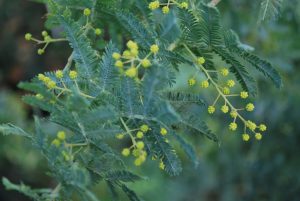
The Best Low-Maintenance Shrubs for a Stunning UK Garden

CHOISYA WHITE DAZZLER

Creating a beautiful garden doesn’t have to mean endless hours of upkeep. If you’re looking for plants that provide year-round interest with minimal effort, low-maintenance shrubs are the perfect solution. Here are some of the best shrubs to grow in the UK for effortless beauty.

1. Lavender 

Lavendula Hidcote

Lavendula Hidcote

Not only does lavender smell incredible, but it’s also drought-tolerant and thrives in poor soil. It requires little more than a light prune after flowering and provides a haven for bees and butterflies.

2. Hebe 

Hebes are evergreen, compact, and come in a variety of sizes and colours. They flower from Summer to Autumn, need very little pruning, and tolerate a range of soil conditions.

3. Choisya 

This glossy-leaved evergreen produces fragrant white flowers in Spring and sometimes again in Autumn. It’s tough, thrives in sun or partial shade, and needs little pruning.

4. Photinia Little Red Robin

Photinia X Fraseri 'Little Red Robin'

Photinia Little Red Robin

A fantastic choice for adding colour to your garden, Photinia produces vibrant red new growth in Spring. It makes an excellent hedge or standalone shrub and requires just an occasional trim.

5. Daphne Odora Aureomarginata

If you love scented plants, Daphne is a must-have. It produces highly fragrant flowers in late Winter to early Spring and thrives in partial shade with little care.

6. Cornus 

CORNUS MIDWINTER FIRE

Cornus Midwinter Fire

Perfect for Winter interest, dogwoods have striking red or yellow stems that brighten up dull months. They require minimal pruning and look stunning when planted in groups.

Hoheria Glory of Almwich – A Stunning Evergreen for Year-Round Interest

Hoheria Glory of Almwich

Hoheria Glory of Almwich, commonly known as the Lacebark, is a striking semi-evergreen shrub or small tree that brings beauty and structure to UK gardens. With its graceful habit, glossy green leaves, and profusion of starry white flowers in late summer, this elegant plant is a fantastic choice for those looking to add year-round interest.

Why Grow Hoheria Glory of Almwich ?

Hoheria Glory of AlmwichThis fast-growing shrub or small tree reaches 4–8m in height, making it an excellent choice for hedging, screening, or as a standalone focal point. It thrives in a variety of settings, offering dense, attractive foliage and masses of fragrant white flowers that attract pollinators such as bees and butterflies.

How to Grow Hoheria Glory of Almwich

  • Position: Best in full sun or partial shade, sheltered from harsh winds.
  • Soil: Prefers moist, well-drained soil but is adaptable to different soil types.
  • Watering: Requires regular watering when young but is fairly drought-tolerant once established.
  • Pruning: Minimal pruning is needed—just remove any dead or damaged growth after flowering to maintain shape.
  • Hardiness: Generally hardy in most parts of the UK, but may need protection in very exposed areas.

Perfect Planting Combinations

Hoheria Glory of Almwich pairs beautifully with other flowering shrubs like Hydrangeas, Viburnum, or Escallonia, and works well alongside ornamental grasses for a soft, natural effect.

Wildlife Benefits & Seasonal Interest

The fragrant, star-like flowers provide a rich nectar source for pollinators, and its dense foliage offers shelter for birds. In autumn, its attractive foliage turns a golden shade, adding another layer of seasonal interest.

With its elegant form, easy maintenance, and wildlife-friendly appeal, Hoheria Glory of Almwich is a fantastic addition to any UK garden. Why not introduce this beautiful, versatile shrub to your outdoor space?

Zantedeschia Green Goddess : A Unique and Elegant Addition to Your Garden

Zantedeschia Green Goddess

Zantedeschia Green Goddess, commonly known as the Arum Lily, is a striking and sophisticated plant that brings a touch of exotic beauty to any garden. Unlike the traditional white lilies, Green Goddess features creamy white blooms with lush green streaks, creating a stunning contrast that makes it a real showstopper.

Why Grow Zantedeschia ‘Green Goddess’?

This elegant perennial is perfect for borders, containers, or pond side planting, offering both height and texture to garden designs. Blooming from late Spring to early Summer, its distinctive trumpet-shaped flowers and lush green foliage provide a long-lasting display. It can reach up to 1m in height, making it a great statement plant.
How to Grow Zantedeschia ‘Green Goddess’

  • Position: Prefers full sun or partial shade. Ideal for damp, sheltered spots.
  • Soil: Thrives in moist, rich, well-drained soil, making it perfect for areas near ponds or in rain gardens.
  • Watering: Keep soil consistently moist during the growing season, especially in dry periods.
  • Feeding: Apply a balanced liquid fertiliser every few weeks in spring and summer to promote strong growth.

Perfect Planting Combinations

Pair Green Goddess with Hostas, Ferns, and Astilbes for a lush, jungle-like feel. It also complements bold ornamental grasses and irises, adding depth to mixed borders.

Wildlife and Decorative Appeal

This plant not only adds elegance but also attracts bees and butterflies, making it a great choice for a wildlife-friendly garden. It’s also a popular choice for floral arrangements due to its long-lasting flowers.

With its dramatic looks, easy-care nature, and long flowering season, Zantedeschia ‘Green Goddess’ is an eye-catching addition to any UK garden. Why not introduce a touch of exotic beauty to your space?

Geranium Psilostemon: A Bold and Beautiful Perennial for Your Garden

Geranium Psilostemon

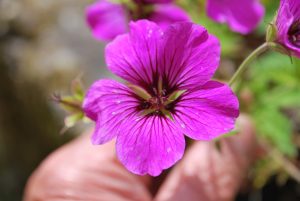
If you’re looking for a striking, low-maintenance perennial that brings vibrant colour to your garden, Geranium PsilostemonGeranium Psilostemon is a fantastic choice. Also known as the Cranesbill, this hardy geranium is loved for its brilliant magenta flowers with deep black centres, creating a bold contrast that stands out in any garden.

Why Choose Geranium Psilostemon?

This clump-forming, herbaceous perennial is known for its long flowering season, blooming from late Spring to late Summer. It reaches up to 1m in height, making it an excellent choice for borders, wildflower gardens, or cottage-style planting schemes. The attractive deeply divided, bright green leaves turn fiery red in Autumn, adding seasonal interest.

How to Grow Geranium Psilostemon

  • Position: Prefers full sun to partial shade.
  • Soil: Grows well in moist, well-drained soil, though it is highly adaptable.
  • Watering: Once established, it is relatively drought tolerant, needing only occasional watering.
  • Maintenance: Deadheading spent flowers encourages continuous blooming. Cut back in late autumn to tidy the plant and encourage fresh spring growth.

Perfect Planting Combinations

Pair Geranium Psilostemon with ornamental grasses, Alliums, or Salvias for a dynamic, layered border. It also looks stunning alongside Roses and Peonies, providing a striking contrast with its magenta flowers.

Wildlife Benefits

Geranium Psilostemon is a pollinator-friendly plant, attracting bees and butterflies, making it a valuable addition to a wildlife-friendly garden.

With its vivid colour, easy-care nature, and long flowering season, this geranium is a must-have for any UK garden. Why not add a splash of bold beauty to your borders?

Campsis Madame Galen

Campsis X Tagliabuana 'Madame Galen'

Campsis Madame Galen, commonly known as the trumpet vine, graces UK gardens with its vibrantCampsis X Tagliabuana 'Madame Galen' presence and climbing allure. As a deciduous climber, this enchanting plant offers a spectacular display of trumpet-shaped flowers in hues of orange and red, creating a striking focal point in British gardens.
Pruning and caring for Campsis Madame Galen are integral to maximizing its beauty and ensuring a healthy growth habit. Regular pruning, ideally in late winter or early spring, helps control the size and shape of the vine. Remove any dead or unwanted growth, encouraging new shoots to flourish. Adequate support, such as a trellis or pergola, allows the trumpet vine to showcase its climbing prowess, making it an ideal choice for vertical gardening in the UK.

This hardy climber thrives in well-drained soil and appreciates a sunny to partially shaded location. Consistent watering, especially during dry periods, promotes vigorous growth and prolific flowering. Campsis Madame Galen’s ability to attract many garden friendly insects adds to its appeal, making it a delightful and low-maintenance addition to British gardens. Whether adorning walls, fences, or arbors, the trumpet vine stands as a testament to nature’s splendour in the heart of UK landscapes.

Astrantia Maxima

Astrantia Maxima

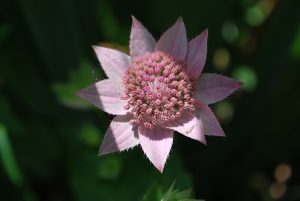
ASTRANTIA MAXIMAStep into the realm of timeless elegance with Astrantia Maxima, a radiant Masterwort perennial that graces UK gardens with its delicate charm. Renowned for its intricate, star-shaped blooms and enduring beauty, this perennial gem stands as a favorite among garden enthusiasts seeking sophistication in their outdoor spaces.
Astrantia Maxima, commonly known as Masterwort, boasts a profusion of unique soft pink flowers. Its lush foliage forms an attractive mound, providing an enchanting backdrop for the exquisite blooms. Adaptable to various soil conditions and thriving in partial shade, this perennial adds a touch of refinement to British landscapes.

Pruning and Care: Caring for Astrantia Maxima involves straightforward maintenance to ensure its continual splendour. Deadhead spent blooms regularly to encourage new flower production and maintain a neat appearance. In late winter or early spring, cut back the old stems to ground level to make way for fresh growth. This Masterwort thrives in well-drained soil, appreciates consistent moisture, and benefits from a layer of organic mulch to retain moisture and suppress weeds. With a touch of pruning and care, Astrantia Maxima will remain a regal presence in your UK garden, showcasing its enduring beauty throughout the seasons.

Acacia Baileyana

Acacia Baileyana

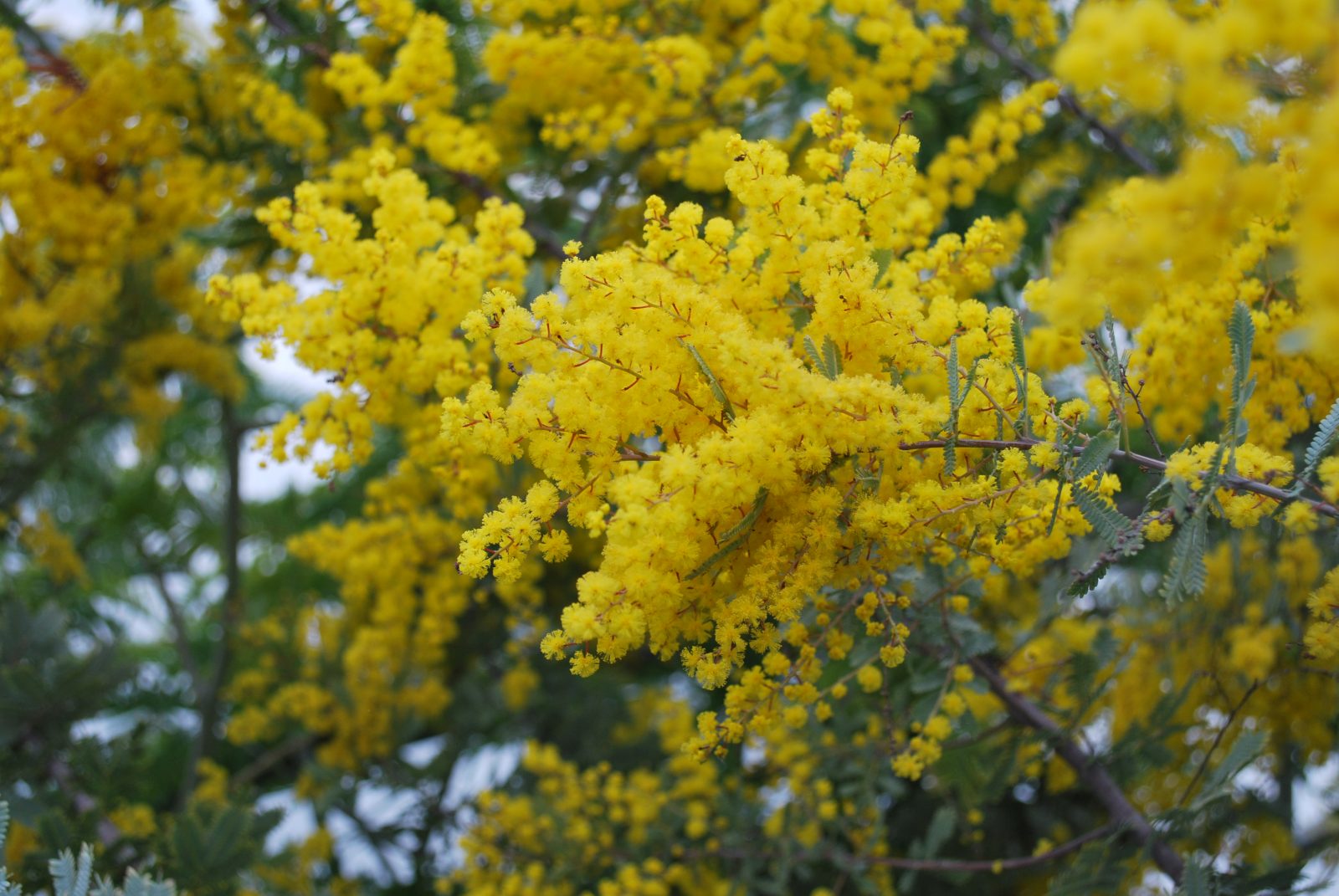
Introducing Acacia Baileyana, also known as the Cootamundra Wattle or Golden Mimosa, a tree that brings a touch of Australian elegance to UK gardens. Renowned for its striking golden blooms and feathery foliage, this evergreen beauty stands as a symbol of vitality and exotic allure in British gardens.

Acacia BaileyanaThe Golden Mimosa tree, with its delicate fern-like leaves and vibrant, fluffy golden flowers, becomes a beacon of sunshine in UK gardens. Acacia Baileyanas adaptability to various soil types and its ability to thrive in the temperate climate of the United Kingdom make it a favourite among garden enthusiasts seeking a unique and visually appealing addition to their outdoor haven.
Pruning and Care: To maintain the tree’s charm and ensure optimal growth, incorporate careful pruning into your gardening routine. Light pruning in late Winter or early Spring helps shape the tree and control its size. Remove any dead or damaged branches to encourage healthy growth and enhance the overall appearance of the Silver Wattle. Acacia Baileyana appreciates well-drained soil and benefits from regular watering, especially during dry periods, ensuring that this Australian beauty continues to flourish and grace UK gardens with its Mimosa magic.

Agapanthus Golden Drop

Agapanthus Golden Drop

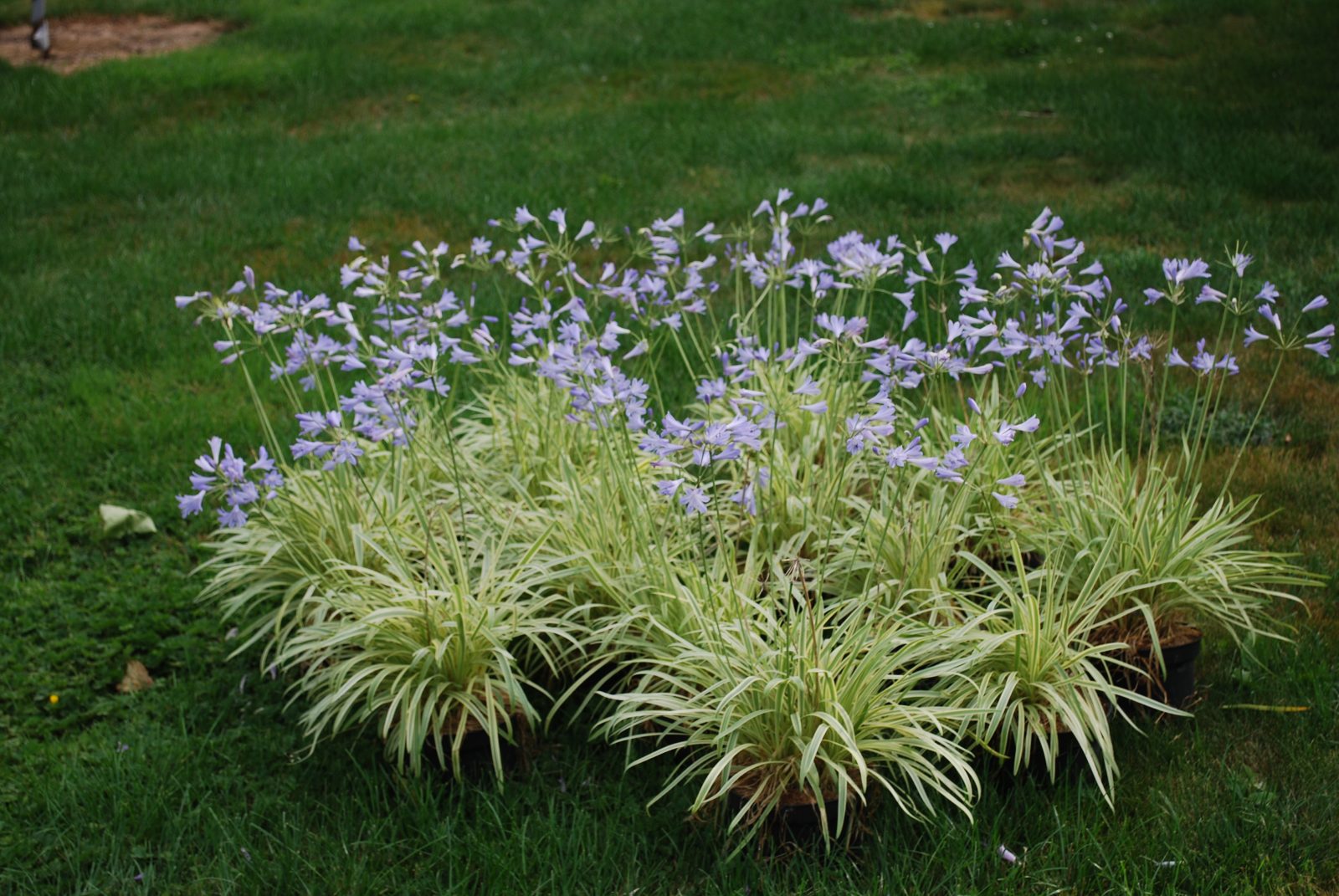
Meet Agapanthus Golden Drop, a stunning Lily of the Nile variety that casts a golden spell on UK gardens,Agapanthus Golden Drop adding a touch of regality to perennial flower beds. Renowned for its captivating blooms this perennial beauty is becoming a beloved choice among garden enthusiasts seeking enduring elegance in their outdoor spaces.

Agapanthus Golden Drop, commonly known as Lily of the Nile, boasts magnificent pale blue blossoms that rise on tall, sturdy stems, creating a visual spectacle against its variegated foliage. This perennial’s adaptability to various soil types and its resilience to the UK climate make it a delightful addition to gardens across the United Kingdom.

Pruning and Care: To ensure the continued brilliance of Agapanthus Golden Drop, periodic pruning is beneficial. Trim back spent flower stems after their bloom to promote new growth and maintain a tidy appearance. Divide clumps every few years in early spring to rejuvenate the plant. This perennial thrives in well-drained soil and appreciates regular watering, especially during dry spells. With a touch of care and pruning finesse, Agapanthus Golden Drop will stand as a gilded gem in your UK garden, enhancing its charm year after year.

Hosta

Hosta Devon Green
Hosta Elegans

Hosta Elegans

In the verdant tapestry of UK gardens, hostas, affectionately known as the Plantain Lily, emerge as beloved perennials, bringing lush foliage and a touch of elegance to outdoor spaces. Renowned for their wide variety of leaf shapes, sizes, and colors, hostas captivate with their versatility and enduring charm. From the vibrant greens to the variegated patterns, these perennial favorites offer a spectrum of visual delights, making them a staple in shaded garden beds.

Pruning and caring for hostas contribute to their thriving beauty. Regular removal of spent flower stalks and damaged or yellowing leaves not only keeps the plant looking tidy but also redirects energy toward new growth. Adequate watering, particularly during dry spells, and well-drained, nutrient-rich soil enhance the resilience of hostas. These perennials flourish in partial to full shade, making them ideal companions for the temperate climate of the United Kingdom.

HOSTA WIDE BRIM

Hosta Wide Brim

With their adaptability to various garden settings, hostas become versatile additions to UK landscapes. From edging paths to creating lush borders, the Plantain Lily graces British gardens with its enduring beauty, proving that even in shaded corners, a perennial star can shine bright.

Abutilon Canary Bird

Abutilon Canary Bird

Step into a realm of golden radiance with Abutilon Canary Bird, a flowering maple that graces UK gardens with its vibrant allure. Known for its distinctive Chinese lantern-like blossoms, this evergreen shrub adds a touch of exotic beauty to British gardens.Abutilon Canary Bird

Abutilon Canary Bird, aptly named for its striking yellow blooms, creates a symphony of sunshine in gardens across the United Kingdom. With lantern-shaped flowers that hang gracefully from arching branches, this compact shrub brings a unique charm reminiscent of its native habitats.

Often referred to as the “flowering maple,” it is a resilient choice for UK gardeners, thriving in both sunny and partially shaded areas. Although adaptable to various soil conditions it will require some protection in the colder weather.

Pruning and Care: To ensure the continuous blooming splendour of this Abutilon, occasional pruning is recommended. Trim back any dead or wayward branches, focusing on shaping the shrub in late winter or early spring. Regular deadheading of spent blooms encourages a prolonged flowering season. With well-drained soil, consistent watering, and a touch of pruning finesse, Abutilon Canary Bird will flourish, painting your UK garden with golden hues and adding an exotic touch to your outdoor oasis.