Omphalodes Cherry Ingram: A Beautiful Ground Cover for Spring Blooms

Omphalodes Cappadocica 'Cherry Ingram'

If you’re looking to add a splash of colour to your garden with minimal effort, Omphalodes Cherry Ingram is an excellent choice. Known for its striking blue flowers and vibrant foliage, this charming perennial is perfect for ground cover, shady borders, or woodland gardens. Here’s why Cherry Ingram is a must-have in your garden.

Why Choose Omphalodes Cherry Ingram?

  • Stunning Blue Flowers – In early Spring, it produces clusters of vivid, bright blue flowers that contrast beautifully with its dark green leaves. These blooms are perfect for adding a pop of colour in the garden, especially in the often-dull spring months.
  • Shade-Loving – This plant thrives in partial to full shade, making it an ideal choice for those tricky, low-light areas of your garden. Whether under trees or along shaded borders, Cherry Ingram will fill your garden with colour without needing direct sunlight.
  • Compact Growth – Omphalodes Cherry Ingram forms a dense, low-growing carpet of foliage, making it perfect for ground cover. Its spreading nature helps to suppress weeds and provide a tidy, naturalistic look to shady spots.
  • Pollinator-Friendly – The lovely blue flowers are a favourite of early pollinators like bees, offering them a valuable food source during the spring when other plants are still waking up.

How to Grow & Care for Omphalodes Cherry Ingram

  • Soil:Omphalodes Cappadocica 'Cherry Ingram' Prefers moist, well-drained soil with a slightly acidic to neutral pH. It thrives in rich, humus-filled soil but will tolerate less fertile ground.
  • Light: Ideal for shaded or partially shaded areas. It can handle full shade, but a little morning sun will promote more vibrant flowers.
  • Watering: Keep the soil consistently moist, particularly during dry spells, but avoid waterlogging.
  • Maintenance: Omphalodes is a low-maintenance plant. Deadhead spent blooms to encourage a tidier appearance and more prolonged flowering. It doesn’t require much pruning—just a light trim in early spring to remove any dead or damaged growth.

Perfect Pairings

Pair Omphalodes Cherry Ingram with other Spring-flowering plants like Hostas, Primroses, and Ferns for a layered, textured look. Its blue flowers also complement the white blossoms of Hellebore or the pink hues of Epimedium.

For gardeners looking to add colour to shaded areas with minimal effort, Omphalodes Cherry Ingram is a perfect choice. Its bright blue blooms, ease of care, and ability to thrive in the shade make it a wonderful addition to any garden.

Wildlife-Friendly Gardens: Some of The Best Plants for Bees, Birds & Butterflies

Blue Tits

Creating a wildlife-friendly garden is one of the best ways to support local ecosystems and contribute to biodiversity. By choosing the right plants, you can attract and nourish bees, butterflies, birds, and other beneficial creatures, while also enjoying a vibrant, sustainable garden. Here’s a guide to some of the best shrubs, perennials, and trees that will help you create a haven for wildlife.

Best Shrubs for Wildlife

  • Hebe Wiri Mist

    Hebe Wiri Mist

    Hebe 
    Hebe shrubs are fantastic for attracting pollinators, with their late-Summer flowers offering a vital source of nectar for bees and butterflies. They also provide dense foliage for shelter and protection. Many Hebe varieties are evergreen, providing year-round interest.

  • Cotoneaster 
    Cotoneasters are loved by birds, especially in Autumn when their bright red berries appear. They also provide ground cover, helping to support insect life, while the flowers in Spring are great for attracting bees.

Best Perennials for Pollinators

  • Echinacea Purpurea Magnus

    Echinacea Purpurea Magnus

    Echinacea 
    Echinacea is a true pollinator magnet. Its large, daisy-like flowers are adored by bees and butterflies throughout the summer months. The seeds are also a food source for birds later in the year, making it a great year-round addition to your wildlife-friendly garden.

  • Salvia Caradonna

    Salvia Caradonna

    Salvia 
    Salvia is a wonderful addition to any pollinator-friendly garden, producing long-lasting spikes of vibrant flowers that bees and butterflies can’t resist. This versatile plant comes in many colours and will thrive in sunny spots.

Creating a Complete Wildlife Haven

Incorporating a variety of plants that offer food, shelter, and nesting sites is key to creating a garden that supports wildlife. Consider including plants that bloom at different times of the year to ensure a continuous food source. Adding a pond or water feature can also attract wildlife, providing a drinking and bathing spot for birds, insects, and small animals.

By choosing the right shrubs, perennials, and trees, you’ll create a garden that not only looks beautiful but also supports biodiversity and provides a sanctuary for local wildlife.

Phlox: A Colourful Addition for Any Garden

Phlox White Admiral

Phlox is a beloved perennial known for its vibrant blooms, sweet fragrance, and ability to attract pollinators. Whether you’re designing a cottage garden, a border, or simply looking to add a pop of colour, Phlox is an excellent choice. Here’s a closer look at three stunning varieties—White Admiral, Purple Kiss, and Laura—that will bring your garden to life.

Phlox White Admiral

If you love the classic look of white flowers, White Admiral is a standout variety. Its pure white blooms create a fresh, clean look in the garden, offering contrast against darker foliage or brightly coloured companions. This variety produces large clusters of fragrant flowers that attract bees and butterflies, making it a wonderful choice for wildlife-friendly gardens. It blooms from midsummer to autumn, providing lasting colour and fragrance throughout the growing season.

Phlox Purple Kiss

Phlox Paniculata Purple KissFor a burst of rich colour, Purple Kiss is a gorgeous option. With its deep purple, almost magenta, flowers, it adds dramatic colour to your garden. The blossoms are fragrant, and the plant’s strong upright growth makes it an excellent choice for borders or as a statement plant in mixed beds. Its compact size (relative to some other Phlox varieties) makes it suitable for smaller gardens or containers. Expect flowers from early to late Summer.
Phlox Laura

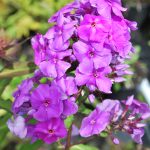
LauraPhlox Paniculata Laura offers a unique twist with its beautiful soft pink flowers that have a subtle lavender hue. The colour deepens as the flowers mature, giving your garden a lovely gradient effect. This variety is perfect for creating a gentle, romantic look and works beautifully in mixed borders or cutting gardens. Like other Phlox, Laura thrives in sunny spots with well-drained soil and attracts a variety of pollinators.

Growing Tips

Phlox is easy to grow, requiring only a few key conditions:

  • Soil: Prefers fertile, well-drained soil with good moisture retention.
  • Light: Full sun to partial shade for the best bloom production.
  • Watering: Keep the soil consistently moist but avoid waterlogging.
  • Maintenance: Deadheading spent flowers encourages continued blooming. Cut back in early Spring to promote healthy growth.

With their vibrant blooms, sweet scent, and ability to attract pollinators, Phlox varieties like White Admiral, Purple Kiss, and Laura will make a stunning addition to your garden, offering beauty from Summer through Autumn.

Gaura Whirling Butterflies : A Delicate Beauty for Your Garden

Gaura Whirling Butterflies

If you’re looking for a plant that brings grace, movement, and a touch of whimsy to your garden, Gaura Whirling Butterflies is the perfect choice. This elegant perennial is known for its airy, butterfly-like blooms that seem to dance in the breeze, making it a stunning addition to borders, containers, or even wildflower meadows.

Why Grow Gaura Whirling Butterflies?

  • Graceful Flowers – Gaura’s delicate, pink-and-white blooms resemble tiny butterflies fluttering on thin, wiry stems. The flowers open in late Spring and continue to bloom throughout Summer and into Autumn, offering months of colour.
  • Low-Maintenance – This plant thrives in a variety of conditions and is perfect for low-effort gardeners. It tolerates poor soil, drought, and full sun, making it an excellent choice for sunny spots in your garden.Gaura Whirling Butterflies
  • Attracts Pollinators – Gaura’s nectar-rich flowers are a favourite of bees and butterflies, so planting it in your garden will help support local pollinators.
  • Graceful, Airy Presence – The soft, arching stems and fluttering blooms give Gaura a light, airy feel, ideal for adding movement and texture to the garden.

How to Grow & Care for Gaura Whirling Butterflies

  • Soil: Gaura is not picky about soil, but it thrives in well-drained, slightly sandy or loamy soil.
  • Light: Full sun is ideal for this plant to encourage the best blooms. It can tolerate partial shade but may not flower as profusely.
  • Watering: Once established, Gaura is drought-tolerant. Water regularly in the first growing season to help it establish roots, but allow the soil to dry out between waterings.
  • Pruning: Deadhead spent flowers to encourage continuous blooming and trim back in early spring to remove any old growth and shape the plant.

Perfect Pairings

Gaura Whirling Butterflies pairs beautifully with other sun-loving perennials like Lavender, Echinacea, or Sedum. Its soft, fluttery flowers also complement ornamental grasses, creating a dynamic, naturalistic planting.

With its long-lasting blooms, effortless care, and ability to attract pollinators, Gaura Whirling Butterflies is a wonderful addition to any garden looking to add beauty and movement.

Galium odoratum: A Fragrant Ground Cover for Shade Gardens

Galium Odoratum

If you’re looking for a low-maintenance plant that thrives in shade, Galium Odoratum, commonly known as ‘SGalium Odoratumweet Woodruff’, is a fantastic choice. This delicate but tough perennial is loved for its lush green foliage, starry white flowers, and sweet fragrance. It’s perfect for woodland gardens, shady borders, and ground cover under trees.

Why Grow Galium odoratum?

  • Thrives in full sun to partial shade – Unlike many flowering plants, sweet woodruff flourishes in partial shade, making it ideal for difficult garden spots.
  • Fragrant foliage – When crushed or dried, its leaves release a sweet, hay-like scent, often used in pot pourris.
  • Carpet like growth – Its creeping habit forms a dense, weed-suppressing carpet, making it a great natural mulch.
  • Beautiful spring blooms – In late Spring to early Summer, clusters of small, white, star-shaped flowers appear, adding a touch of elegance to shaded areas.

How to Grow & Care for Galium odoratum

  • Soil: Prefers moist, well-drained soil with plenty of organic matter. It thrives in humus-rich conditions but adapts to various soil types.
  • Light: Best in dappled or full shade but can tolerate some morning sun.
  • Watering: Keep soil consistently moist, especially in dry periods, but avoid water logging.
  • Maintenance: Virtually care-free! It spreads gradually but isn’t invasive. Trim back after flowering to maintain a tidy shape.

Perfect Planting Combinations

Pair Galium Odoratum with Ferns, Hostas, and Hellebores for a lush woodland feel. It also works well as an underplanting for deciduous trees and shrubs.

With its enchanting fragrance, shade-loving nature, and effortless growth, Galium Odoratum is a must-have for any garden looking to add beauty to those tricky shaded spots.

Carex: The Versatile Grass for Texture and Colour

Carex Comans Bronze

Carex, commonly known as ‘Sedge’, is a fantastic choice for adding texture, movement, and year-round interest to the garden. These ornamental grasses are low-maintenance, drought-tolerant, and perfect for borders, containers, or waterside planting. Here’s a look at three stunning Carex varieties to enhance your outdoor space.

Carex Elata Aurea 

For a splash of golden brightness, Carex Elata Aurea is a standout choice. Its arching, yellow-green foliage glows in sunlight and provides striking contrast against darker plants. This variety thrives in moist soil, making it perfect for pond edges or damp garden areas. In late Spring, it produces delicate brown flower spikes that add even more visual interest.

Carex Everillo

If you’re looking for an eye-catching, compact grass that works well in both borders and containers, Carex Everillo is a fantastic option. With its cascading lime-green to golden foliage, this evergreen sedge addsCarex Everillo, garden Grass year-round colour and pairs beautifully with shrubs, perennials, or even as ground cover beneath trees. It thrives in partial shade but will also tolerate full sun with adequate moisture.

Carex Pendula 

For a more naturalistic, woodland-style look, Carex Pendula is an excellent choice. This taller sedge produces long, graceful, arching leaves and elegant, drooping flower spikes in summer. It’s Carex Pendulaperfect for wild gardens, damp meadows, or alongside ponds, where it creates a soft, flowing effect.

Growing Tips

Carex is incredibly easy to grow and requires little maintenance. Most varieties prefer moist, well-drained soil, though many will tolerate drier conditions once established. A light trim in early spring keeps them looking fresh.

Whether you choose the golden glow of Aurea, the bold colour of Everillo, or the natural elegance of Pendula, Carex is a fantastic addition to any garden.

Aucuba: The Perfect Shrub for Year-Round Colour

Aucuba Japonica Salicifolia

If you’re looking for a hardy, low-maintenance shrub that thrives in almost any garden conditions, Aucuba is a fantastic choice. Often called the ‘Japanese Laurel’, this evergreen beauty is known for its glossy, leathery leaves and ability to brighten up even the shadiest corners of the garden. Here’s a closer look at three standout varieties.

Aucuba Japonica

Aucuba JaponicaThis classic variety is the backbone of many UK gardens, thanks to its resilience and striking foliage. With large, dark green glossy leaves, Aucuba Japonica adds a splash of brightness to shady borders and woodland gardens. It’s also highly tolerant of pollution, making it an excellent choice for urban spaces.

Aucuba Golden King

Despite its regal name, ‘Golden King’ is actually a female variety that produces small, bright red berries in Autumn—provided there is a male plant nearby for pollination. Its large, golden-splashed leaves make it aAucuba Japonica Golden King standout feature in any garden. Perfect for hedging, containers, or as a striking specimen shrub, ‘Golden King’ thrives in both sun and shade.

Aucuba Rozannie

For a more compact option, Rozannie is a great pick. Unlike many other Aucuba varieties, Rozannie is self-fertile, meaning it will produce berries even without a pollination partner. Its deep green, glossy leaves and neat growth habit make it ideal for smaller gardens, borders, or even container planting.

Growing Tips

Aucuba is incredibly easy to grow. It tolerates poor soil, drought, and urban pollution while requiring little maintenance. Simply trim lightly in spring to shape, and enjoy its year-round colour and texture.

Whether you choose the classic Aucuba japonica, the golden-splashed Golden King, or the compact Rozannie, this versatile shrub will keep your garden looking vibrant all year round.

Achillea: A Hardy Perennial for Colour and Pollinators

Achillea Terracotta

Achillea, commonly known as ‘Yarrow’, is a fantastic perennial for UK gardens. It’s loved for its long-lasting, flat-topped flower clusters, feathery foliage, and ability to thrive in poor soil and dry conditions. Achillea is also a magnet for bees and butterflies, making it a must-have for wildlife-friendly gardens. Here’s a closer look at three stunning varieties:

Achillea ‘Moonshine’

ACHILLEA MOONSHINE

ACHILLEA MOONSHINE

If you’re looking for a bright pop of colour, ‘Moonshine’ is a perfect choice. This variety features yellow flowers that contrast beautifully with its silvery-grey foliage. It blooms from early Summer to Autumn and thrives in full sun, making it ideal for borders, gravel gardens, or cottage-style planting.

Achillea ‘Terracotta’

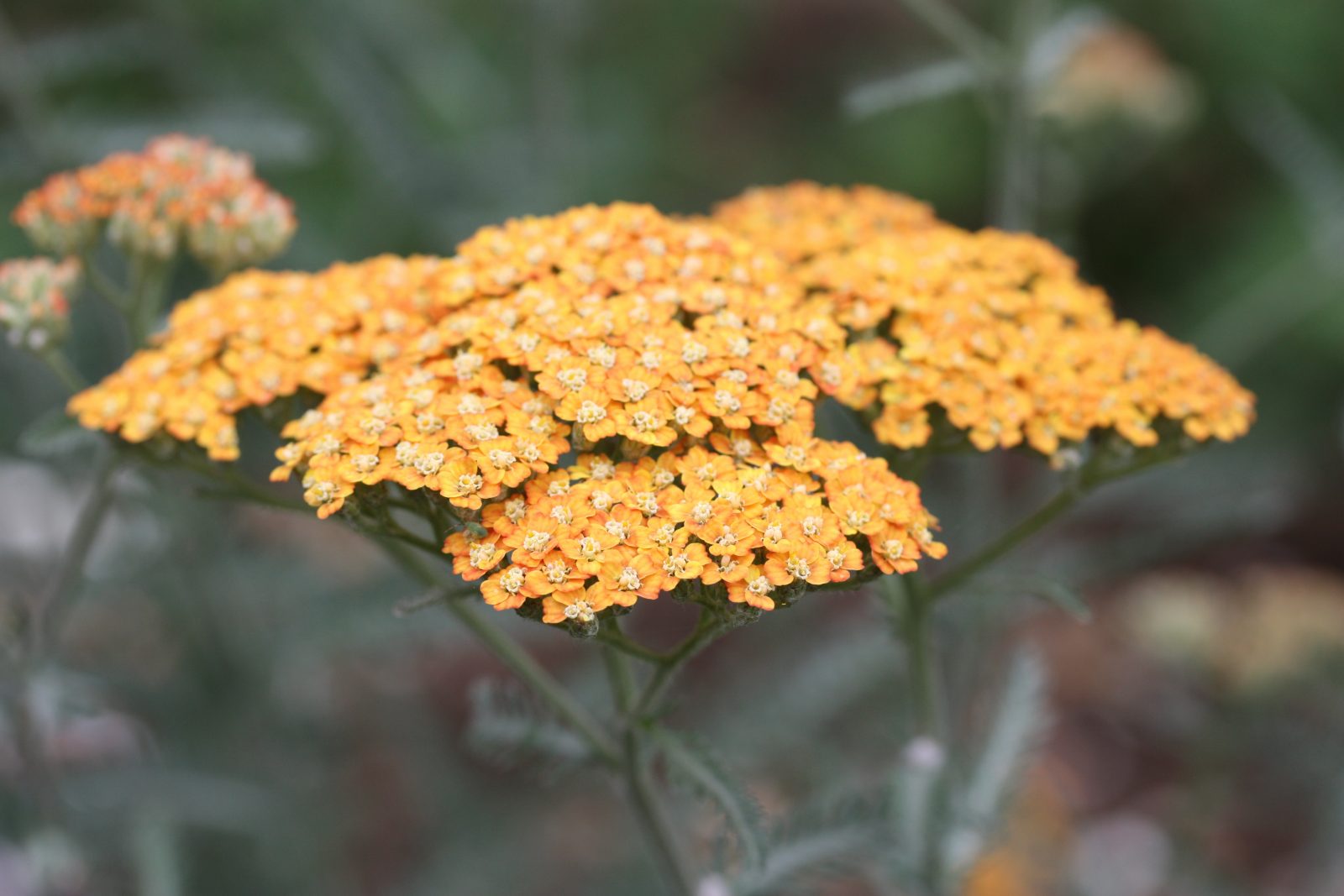
For a warm, earthy tone, ‘Terracotta’ is a standout variety. Its blooms start as rich orange and fade to softer peach hues, adding depth and interest to any planting scheme. It pairs well with ornamental grasses and other late-Summer perennials, creating a naturalistic, prairie-style look.

Achillea ‘Cerise Queen’

Achillea Cerise Queen

Achillea Cerise Queen

For those who love bold colour, ‘Cerise Queen’ does not disappoint. Its vibrant, deep pink flowers provide a striking contrast against its fern-like green foliage. This variety is excellent for cutting and drying, ensuring you can enjoy its beauty indoors as well as in the garden.

Growing Tips

Achillea is easy to grow and requires little maintenance. Plant in well-drained soil and full sun for the best results. Deadheading spent blooms will encourage a second flush of flowers, and cutting back in Autumn will keep plants tidy for the following year.

With its vibrant colours, long flowering season, and pollinator-friendly nature, Achillea is a must-have for any garden.

Small Garden? No Problem! The Best Trees for Compact Spaces

Prunus Kojo No Mai

Just because you have a small garden doesn’t mean you have to miss out on the beauty and benefits of trees. Many trees stay compact, provide seasonal interest, and attract wildlife without taking over your space. Here are some of the best trees for smaller UK gardens.

1. Acer Palmatum 

Acer Phoenix

Acer Phoenix

With its delicate leaves and stunning Autumn colours, the Japanese Maple is a perfect focal point for small gardens. It grows slowly and thrives in partial shade.

2. Amelanchier Lamarckii

Amelanchier Lamarckii

Amelanchier Lamarckii

This small, multi-stemmed tree offers year-round interest, with Spring blossom, Summer berries for birds, and fiery Autumn foliage.

3. Prunus Kojo-No-Mai 

This compact cherry tree bursts into delicate pink-white flowers in spring and has lovely autumn colour. It’s ideal for small spaces or even pots.

4. Cornus Norman Hadden 

A slow-growing tree with unique star-shaped flowers in early Summer and striking Autumn foliage. It stays compact and adds elegance to any garden.

5. Magnolia Stellata 

Magnolia Stellata

Magnolia Stellata

A small tree with show-stopping white star-shaped flowers in early Spring. It remains compact and thrives in a sunny or lightly shaded spot.

Perennial Power: Plants That Come Back Year After Year

Paeonia Lactiflora 'Karl Rosenfield'

If you love a beautiful garden but don’t want the hassle of replanting every year, perennials are your best friend. These hardy plants die back in Winter and return each Spring, growing bigger and better with time. Here are some of the best long-lasting perennials for low-effort gardening in the UK.

1. Echinacea

Echinacea Purpurea Magnus

Echinacea Purpurea Magnus

These vibrant, daisy-like flowers bloom from summer to autumn and attract bees and butterflies. They’re drought-tolerant and thrive in full sun.

2. Hosta

Perfect for shady spots, hostas have lush, leafy foliage in various shades of green, blue, and gold. They’re low-maintenance but benefit from slug protection.

3. Sedum 

Sedum Stardust

Sedum Stardust

Sedums are virtually indestructible, thriving in poor soil and dry conditions. Their late-summer blooms are a magnet for pollinators.

4. Geranium 

Unlike the annual bedding geraniums, hardy geraniums spread quickly and flower for months. They require little more than a trim after flowering.

5. Rudbeckia 

Rudbeckia Goldstrum

Rudbeckia Goldstrum

These cheerful yellow flowers bloom well into autumn and thrive in most soil types. They’re perfect for adding late-season colour.

6. Peonies

Peonies produce large, showy blooms in early summer and can live for decades. Plant them once and enjoy their stunning display for years to come.

7. Astrantia 

A great choice for cottage gardens, Astrantia produces intricate, pincushion-like flowers that look stunning in both beds and bouquets.

8. Hellebores 

Helleborus Niger

Helleborus Niger

One of the earliest bloomers, hellebores flower from late winter into early spring, providing colour when little else is in bloom.