Category: Shrubs

Aucuba: The Perfect Shrub for Year-Round Colour

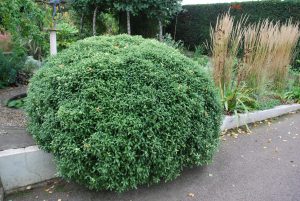
Aucuba Japonica Salicifolia

If you’re looking for a hardy, low-maintenance shrub that thrives in almost any garden conditions, Aucuba is a fantastic choice. Often called the ‘Japanese Laurel’, this evergreen beauty is known for its glossy, leathery leaves and ability to brighten up even the shadiest corners of the garden. Here’s a closer look at three standout varieties.

Aucuba Japonica

Aucuba JaponicaThis classic variety is the backbone of many UK gardens, thanks to its resilience and striking foliage. With large, dark green glossy leaves, Aucuba Japonica adds a splash of brightness to shady borders and woodland gardens. It’s also highly tolerant of pollution, making it an excellent choice for urban spaces.

Aucuba Golden King

Despite its regal name, ‘Golden King’ is actually a female variety that produces small, bright red berries in Autumn—provided there is a male plant nearby for pollination. Its large, golden-splashed leaves make it aAucuba Japonica Golden King standout feature in any garden. Perfect for hedging, containers, or as a striking specimen shrub, ‘Golden King’ thrives in both sun and shade.

Aucuba Rozannie

For a more compact option, Rozannie is a great pick. Unlike many other Aucuba varieties, Rozannie is self-fertile, meaning it will produce berries even without a pollination partner. Its deep green, glossy leaves and neat growth habit make it ideal for smaller gardens, borders, or even container planting.
Growing Tips

Aucuba is incredibly easy to grow. It tolerates poor soil, drought, and urban pollution while requiring little maintenance. Simply trim lightly in spring to shape, and enjoy its year-round colour and texture.

Whether you choose the classic Aucuba japonica, the golden-splashed Golden King, or the compact Rozannie, this versatile shrub will keep your garden looking vibrant all year round.

The Best Low-Maintenance Shrubs for a Stunning UK Garden

CHOISYA WHITE DAZZLER

Creating a beautiful garden doesn’t have to mean endless hours of upkeep. If you’re looking for plants that provide year-round interest with minimal effort, low-maintenance shrubs are the perfect solution. Here are some of the best shrubs to grow in the UK for effortless beauty.

1. Lavender 

Lavendula Hidcote

Lavendula Hidcote

Not only does lavender smell incredible, but it’s also drought-tolerant and thrives in poor soil. It requires little more than a light prune after flowering and provides a haven for bees and butterflies.

2. Hebe 

Hebes are evergreen, compact, and come in a variety of sizes and colours. They flower from Summer to Autumn, need very little pruning, and tolerate a range of soil conditions.

3. Choisya 

This glossy-leaved evergreen produces fragrant white flowers in Spring and sometimes again in Autumn. It’s tough, thrives in sun or partial shade, and needs little pruning.

4. Photinia Little Red Robin

Photinia X Fraseri 'Little Red Robin'

Photinia Little Red Robin

A fantastic choice for adding colour to your garden, Photinia produces vibrant red new growth in Spring. It makes an excellent hedge or standalone shrub and requires just an occasional trim.

5. Daphne Odora Aureomarginata

If you love scented plants, Daphne is a must-have. It produces highly fragrant flowers in late Winter to early Spring and thrives in partial shade with little care.

6. Cornus 

CORNUS MIDWINTER FIRE

Cornus Midwinter Fire

Perfect for Winter interest, dogwoods have striking red or yellow stems that brighten up dull months. They require minimal pruning and look stunning when planted in groups.

Hoheria Glory of Almwich – A Stunning Evergreen for Year-Round Interest

Hoheria Glory of Almwich

Hoheria Glory of Almwich, commonly known as the Lacebark, is a striking semi-evergreen shrub or small tree that brings beauty and structure to UK gardens. With its graceful habit, glossy green leaves, and profusion of starry white flowers in late summer, this elegant plant is a fantastic choice for those looking to add year-round interest.

Why Grow Hoheria Glory of Almwich ?

Hoheria Glory of AlmwichThis fast-growing shrub or small tree reaches 4–8m in height, making it an excellent choice for hedging, screening, or as a standalone focal point. It thrives in a variety of settings, offering dense, attractive foliage and masses of fragrant white flowers that attract pollinators such as bees and butterflies.

How to Grow Hoheria Glory of Almwich

  • Position: Best in full sun or partial shade, sheltered from harsh winds.
  • Soil: Prefers moist, well-drained soil but is adaptable to different soil types.
  • Watering: Requires regular watering when young but is fairly drought-tolerant once established.
  • Pruning: Minimal pruning is needed—just remove any dead or damaged growth after flowering to maintain shape.
  • Hardiness: Generally hardy in most parts of the UK, but may need protection in very exposed areas.

Perfect Planting Combinations

Hoheria Glory of Almwich pairs beautifully with other flowering shrubs like Hydrangeas, Viburnum, or Escallonia, and works well alongside ornamental grasses for a soft, natural effect.

Wildlife Benefits & Seasonal Interest

The fragrant, star-like flowers provide a rich nectar source for pollinators, and its dense foliage offers shelter for birds. In autumn, its attractive foliage turns a golden shade, adding another layer of seasonal interest.

With its elegant form, easy maintenance, and wildlife-friendly appeal, Hoheria Glory of Almwich is a fantastic addition to any UK garden. Why not introduce this beautiful, versatile shrub to your outdoor space?

Abutilon Canary Bird

Abutilon Canary Bird

Step into a realm of golden radiance with Abutilon Canary Bird, a flowering maple that graces UK gardens with its vibrant allure. Known for its distinctive Chinese lantern-like blossoms, this evergreen shrub adds a touch of exotic beauty to British gardens.Abutilon Canary Bird

Abutilon Canary Bird, aptly named for its striking yellow blooms, creates a symphony of sunshine in gardens across the United Kingdom. With lantern-shaped flowers that hang gracefully from arching branches, this compact shrub brings a unique charm reminiscent of its native habitats.

Often referred to as the “flowering maple,” it is a resilient choice for UK gardeners, thriving in both sunny and partially shaded areas. Although adaptable to various soil conditions it will require some protection in the colder weather.

Pruning and Care: To ensure the continuous blooming splendour of this Abutilon, occasional pruning is recommended. Trim back any dead or wayward branches, focusing on shaping the shrub in late winter or early spring. Regular deadheading of spent blooms encourages a prolonged flowering season. With well-drained soil, consistent watering, and a touch of pruning finesse, Abutilon Canary Bird will flourish, painting your UK garden with golden hues and adding an exotic touch to your outdoor oasis.

Callistemon Pallidus

Callistemon Pallidus

Embrace the vibrant allure of the Lemon Bottlebrush, scientifically known as Callistemon Pallidus, as it graces UK gardens with its unique charm. This Australian native shrub is gaining popularity for its distinctive lemon-yellow flower spikes, adding a refreshing burst of colour to our gardens.Callistemon Pallidus

Callistemon Pallidus, commonly referred to as the Lemon Bottlebrush, stands out as a delightful evergreen shrub, showcasing its cylindrical blooms reminiscent of bottlebrushes. Planted in both sunny and partially shaded areas, this compact shrub adapts effortlessly to varying soil conditions, making it a versatile choice for UK gardeners seeking both resilience and aesthetic appeal.

Pruning and Care: Ensuring the optimal growth of your Callistemon Pallidus involves periodic pruning. Trim back spent flower spikes after their bloom to encourage new growth and maintain a tidy appearance. Lightly prune the shrub in late winter or early spring to shape and control its size. As a low-maintenance plant, the Lemon Bottlebrush thrives in well-drained soil with regular watering, particularly during dry spells. Keep an eye out for signs of stress, but rest assured, with proper care, Callistemon Pallidus will continue to captivate with its lemony blooms, enhancing the beauty of your UK garden year-round.

Pittosporum Golf Ball

Pittosporum Golf Ball

In the charming tapestry of UK gardens, Pittosporum Golf Ball, a delightful dwarf shrub also known as Kohuhu, emerges as a compact and versatile addition, contributing to the visual allure of outdoor spaces.Pittosporum Tenuifolium Golf Ball With its rounded form and evergreen glossy foliage, this diminutive shrub stands out as a low-maintenance and decorative choice for British landscapes.

Pruning and caring for Pittosporum Golf Ball are uncomplicated tasks that enhance the shrubs appeal. The dwarf nature of this Kohuhu variety generally requires minimal pruning, but periodic shaping can help maintain its tidy and rounded form.  Removing any dead or damaged branches in late Winter or early Spring encourages fresh growth and ensures the shrubs overall health.  Thriving in well drained soil, and adaptable to partial to full sunlight, Golf Ball becomes a versatile and resilient shrub suitable for various garden settings.

As a charming dwarf variety, Pittosporum Golf Ball becomes a sought after choice for UK gardeners seeking a compact shrub that combines aesthetic charm with ease of care.  Its adaptability to different soil types and climates makes it a reliable addition to British gardens, weaving a touch of evergreen elegance into the diverse fabric of UK landscapes.

Osmanthus All Gold

Osmanthus All Gold

In the verdant landscapes of UK gardens, Osmanthus Heterophyllus All Gold, affectionately known as the Holly Olive, stands out as a golden-hued shrub, adding warmth and vibrancy to outdoor spaces. This evergreen beauty captivates with its striking golden-yellow foliage, creating a luminous display against the backdrop of traditional greenery.

Pruning an caring for Osmanthus All Gold are essential steps in maintaining its radiant appearance.  While this holly olive is generally low maintenance, occasional pruning can help shape the shrub and remove any dead or unruly branches.  Late Spring or early Summer is an ideal time for pruning, allowing the plant to recover and maintain its form. Osmanthus All Gold thrives in well drained soil and appreciates a sunny to partially shaded location, making it a versatile and adaptable addition to a variety of garden settings.

With its resplendent golden foliage and sweetly fragrant blooms, Osmanthus All Gold becomes a cherished choice for gardeners seeking a shrub that combines aesthetic appear with ease of care.  As this holly olive graces landscapes with its luminous presence, it not only adds a touch of sophistication but also becomes a symbol of enduring beauty in the ever changing tapestry of UK gardens.

Callistemon Mauve Mist

Callistemon Mauve Mist

Dive into the enchanting world of Australian flora with Callistemon Mauve Mist, a captivating bottlebrush shrub gracing gardens across the United Kingdom. This delightful evergreen, known for its unique mauve-hued blooms, brings a touch of Down Under charm to British gardens.Callistemon Mauve Mist

As the Mauve Mist bottlebrush unfurls its cylindrical flowers, adorned with a subtle mauve tint, it becomes a focal point in UK gardens, adding an unexpected and refreshing burst of colour. This compact shrub is well-suited for both sunny and partially shaded areas, adapting to various soil conditions and making it a versatile choice for UK gardeners seeking a resilient and visually appealing addition.

Pruning and Care: To ensure the continued splendour of your Callistemon Mauve Mist, periodic pruning is essential. Trim back spent flowers to stimulate new growth and maintain a tidy appearance. Lightly prune in late winter or early spring to shape the shrub and control its size. This low-maintenance bottlebrush thrives in well-drained soil with regular watering, especially during dry spells. With a little care, Callistemon Mauve Mist will continue to enchant your UK garden with its unique mauve-hued blooms, making it a standout feature in your outdoor haven.

Chaenomeles Kinshiden

Chaenomeles Kinshiden

In the vibrant tapestry of UK gardens, the Chaenomeles Kinshiden, also known as the Japanese FloweringChaenomeles Kinshiden Quince, emerges as a standout shrub, adding a burst of early spring brilliance. Renowned for its captivating double pale yellow, this deciduous beauty offers a striking contrast against the late winter landscape.

Pruning and caring for the Japanese Flowering Quince are essential steps in maximizing its ornamental appeal. To encourage a compact and well-shaped form, prune the shrub immediately after flowering, removing any dead or overcrowded branches. This not only maintains its aesthetic appeal but also enhances air circulation and sunlight penetration, fostering healthy growth.

The Chaenomeles Kinshiden is well-suited for a variety of garden settings, thriving in well-drained soil and partial to full sunlight. Its versatility extends to being an excellent choice for hedging or as a specimen plant, showcasing its charming blooms while attracting early pollinators. This low-maintenance shrub, with its resilience and captivating display, makes the Japanese Flowering Quince a cherished addition to UK gardens, bringing a touch of elegance and colour to the early spring landscape.

How to Create a Wildlife-Friendly Garden in the UK

Creating a wildlife-friendly garden is a rewarding way to support local ecosystems and enjoy the beauty of nature right in your own backyard. Whether you have a large garden or a small balcony, there are plenty of ways to make your space more inviting to wildlife. Here’s how you can get started:

Add a Variety of Plants

To attract a wide range of wildlife, focus on planting native plants. These are adapted to the UK’s climate and provide food and shelter for local species. Wildflowers, like primroses, daisies, and foxgloves, are perfect for pollinators such as bees and butterflies. Include berry-bearing plants like hawthorn and holly, which provide food for birds and other animals.


Create Water Features

Water is essential for wildlife. You don’t need a large pond to attract creatures – even a small shallow water dish or birdbath can be beneficial. If you have space, consider adding a wildlife pond with plants like water forget-me-not and oxygenating plants. This will invite frogs, newts, and insects to thrive.


Provide Shelter and Nesting Sites

Wildlife needs places to hide from predators and to nest. Add dense hedgerows, climbers, or evergreens to offer shelter. For birds, consider installing nest boxes, especially for species like blue tits or robins. A bug hotel is also a great addition to attract beneficial insects like ladybirds and bees.


Avoid Pesticides and Chemicals

By reducing or eliminating the use of harmful pesticides, your garden will be safer for pollinators and other wildlife. Opt for natural pest control methods, such as introducing ladybirds to control aphids, and use organic compost or fertilisers.

By making these simple changes, you’ll not only enjoy a thriving garden but also create a safe haven for local wildlife. Happy gardening!