



2-3 Litre Pot
- RHS Award of Garden Merit
- Position: Full sun
- Soil: Moist, well drained
- Growth Rate: Slow
- Flowering Period: May-June
- Hardiness: H5
- Eventual Height: 1-1.5m
- Eventual Spread: 1-1.5m
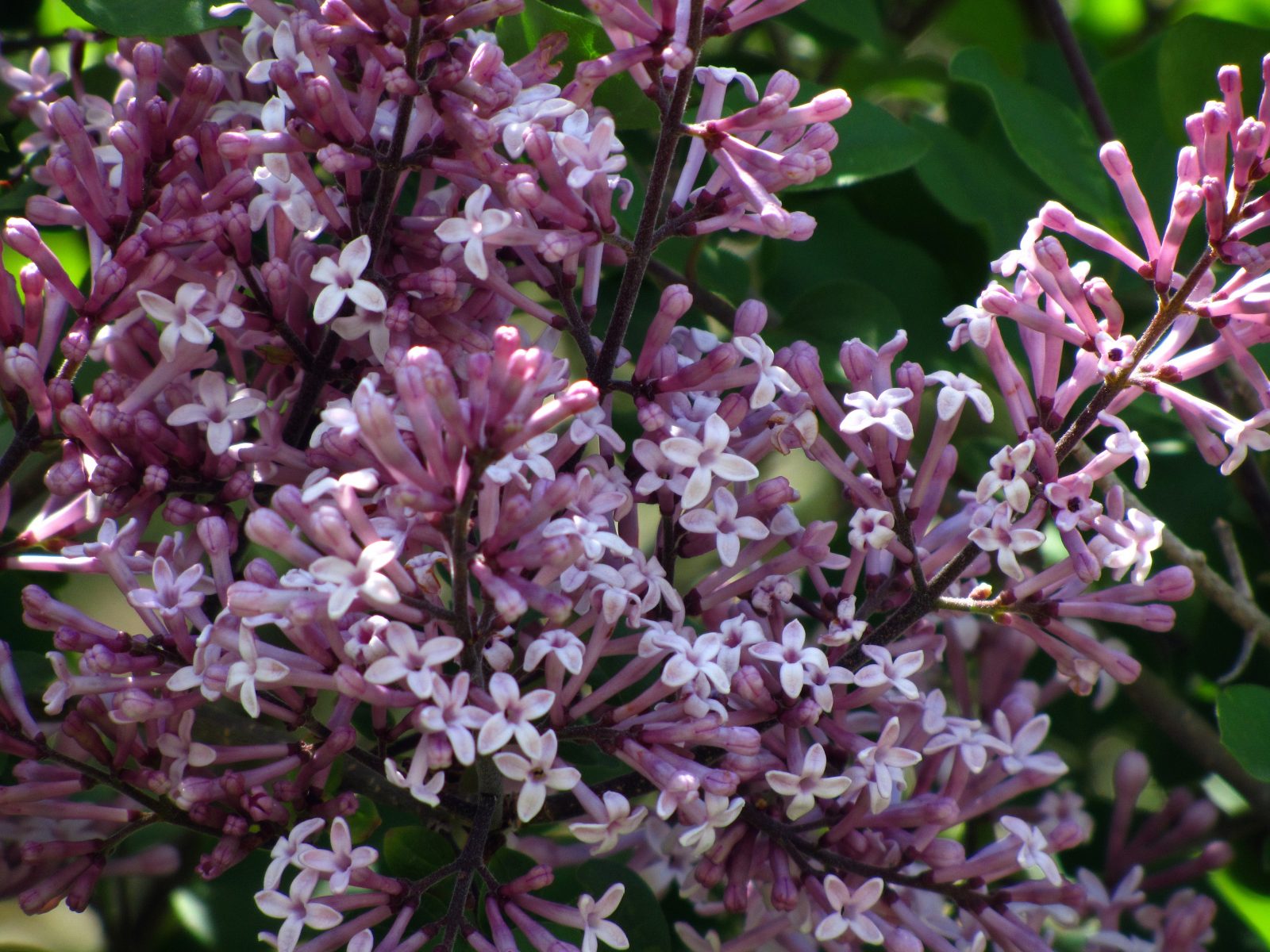
Syringa Palibin, commonly known as ‘Korean Lila’ and holder of the much coveted RHS Award of Garden Merit is a compact, deciduous slow growing shrub that is known for its profuse blooms of fragrant, lilac-pink flowers. The shrub was first introduced to cultivation by Dutch horticulturist Peter van der Wulp in 1909, who named it after a friend, Mr. Palibin. The plant quickly became popular for its small size and showy flowers, making it a favourite amongst gardeners and landscapers alike.
As a hardy and easy-to-grow shrub, Syringa Palibin is a great choice for a variety of garden styles and settings and is suitable for use in borders, rock gardens, and as a low hedge.
The flowers of Syringa palibin are highly fragrant and attract bees and butterflies. The blooms appear in early to mid-Spring, adding a burst of colour to the garden before many other plants have begun to bloom. The leaves of the shrub are green and glossy and provide an attractive backdrop to the flowers.
Syringa Palibin is a great choice for gardeners looking for a small, easy-to-grow shrub that will provide a profusion of colour and fragrance in the spring. With its compact size and drought tolerance, this plant is a versatile and low-maintenance option for any garden.
How to care for your Syringa Palibin
- Planting: Plant in full sun and well-drained soil. If planting in a container, be sure to use a well-draining potting soil.
- Watering: Drought tolerant, but it is important to keep the soil consistently moist during the first growing season. Water deeply and regularly, taking care not to over-water.
- Pruning: Syringa Palibin blooms on new wood, so prune the shrub immediately after it finishes blooming. This will encourage new growth and more flowers the following spring. Deadhead spent flowers to promote continued blooming.
- Fertilising: Fertilise in early Spring with a balanced fertiliser to encourage healthy growth and more blooms.
- Winter care: Mulch around the base of the plant in Autumn to provide insulation and protect the roots during the Winter.


Reviews
There are no reviews yet.