



2-3 Litre Pot
- RHS Award of Garden Merit
- Position: Full sun, partial shade
- Soil: Moist, well drained
- Growth Rate: Slow
- Flowering Period: May – June
- Hardiness: H5
- Eventual Height: 2.5 – 4m
- Eventual Spread: 2.5 – 4m
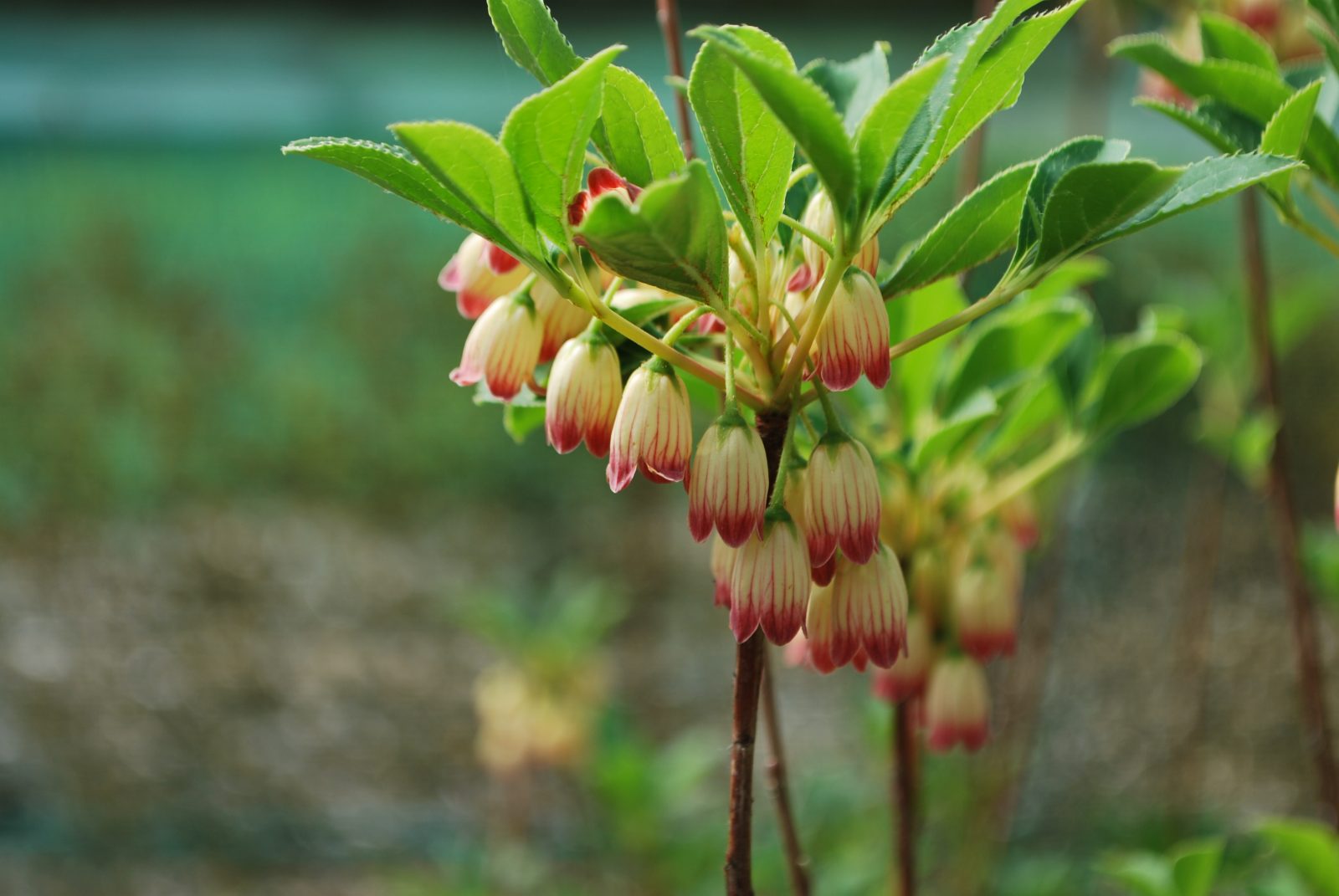
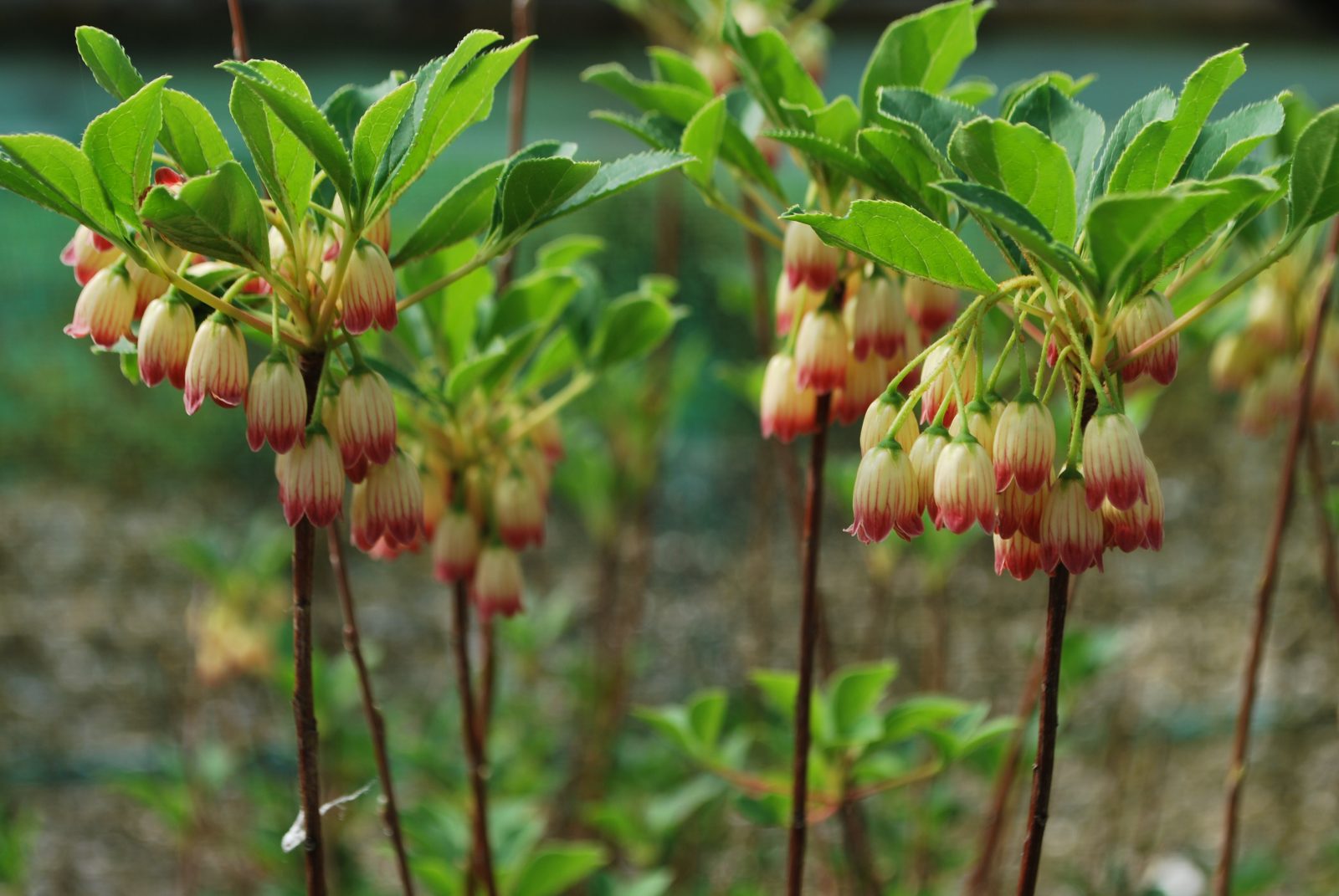
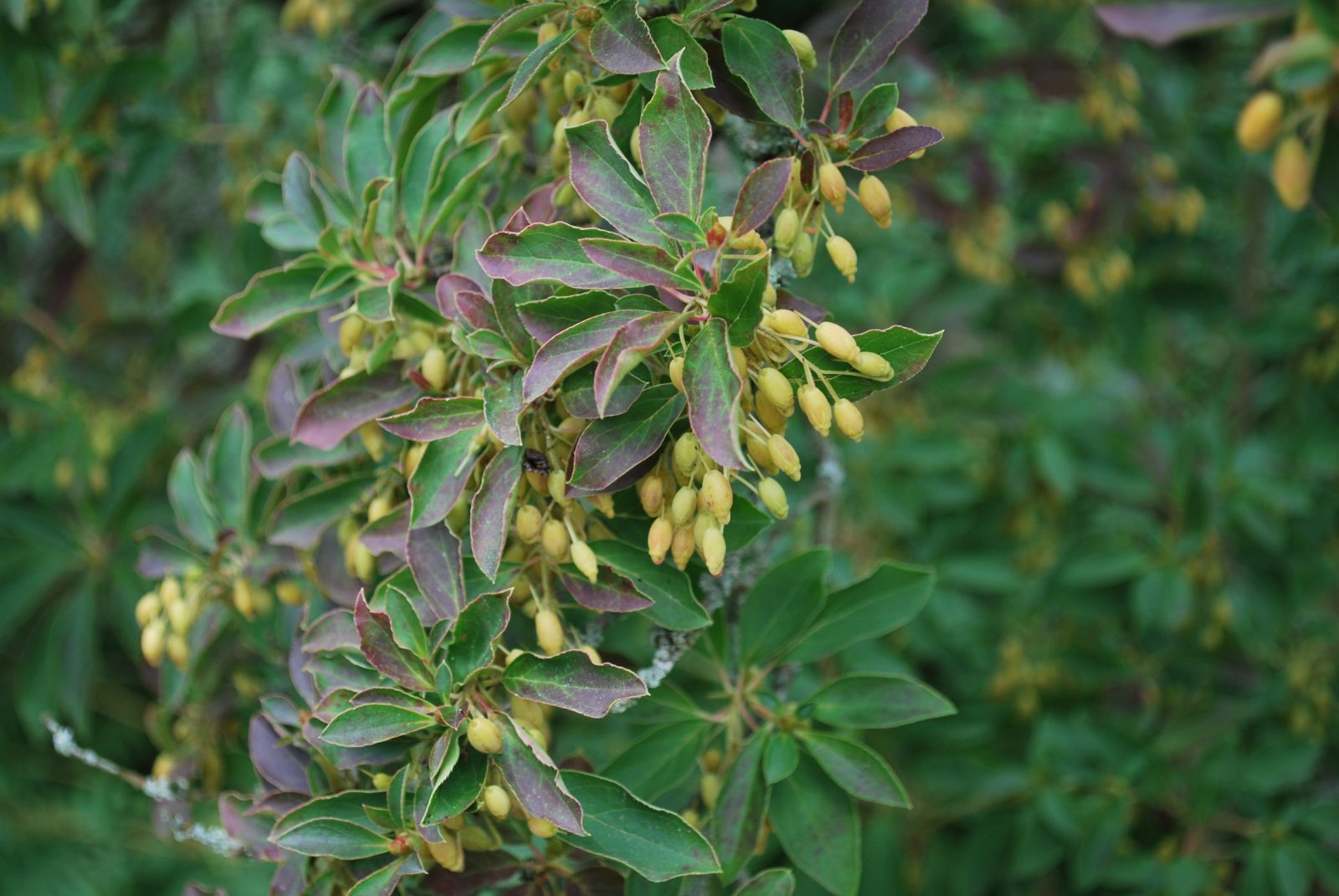
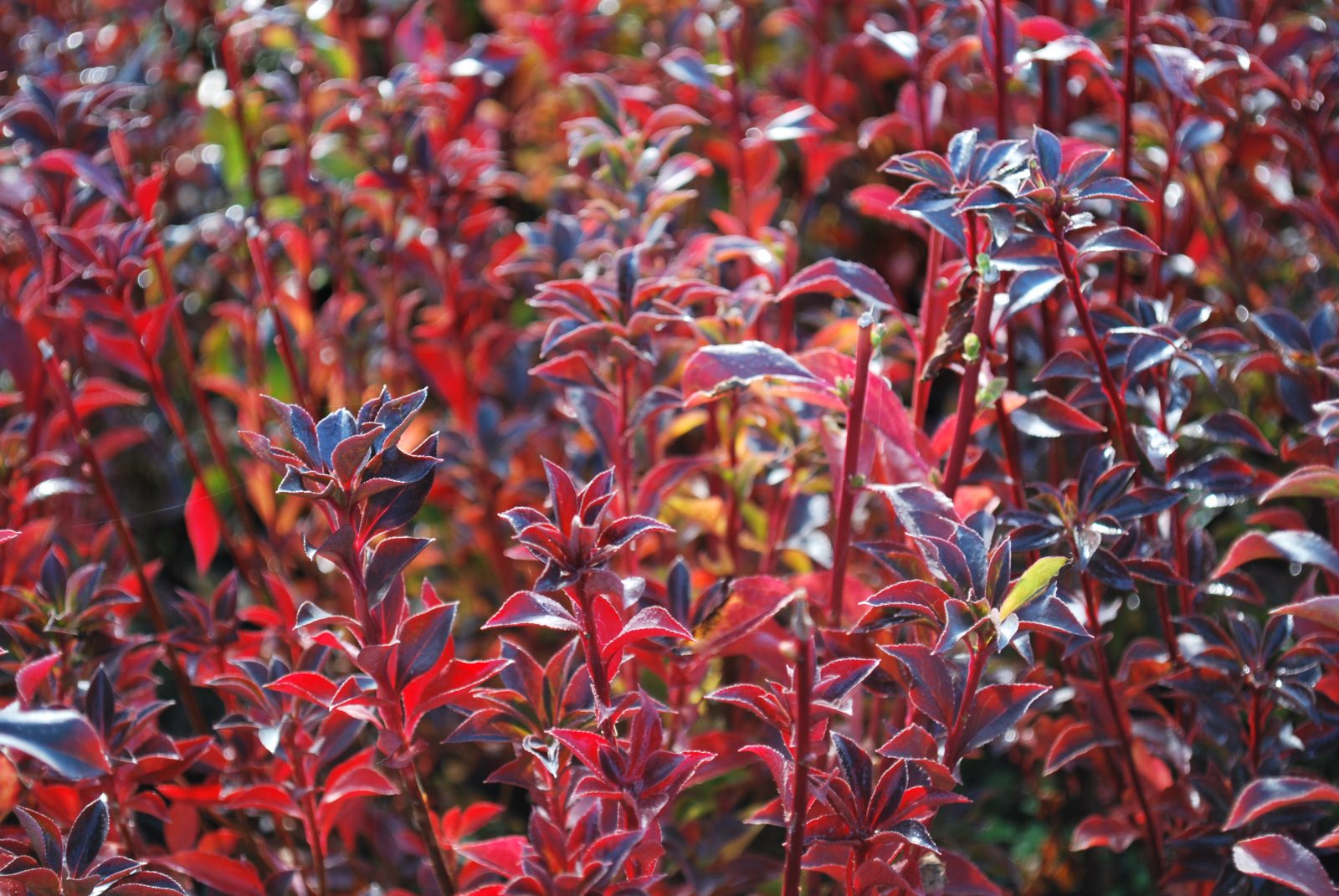
Enkianthus Campanulatus, also known as the ‘Redvein Enkianthus’ and holder of the much coveted RHS Award of Garden Merit, is a beautiful and unique deciduous shrub that is native to Japan and China. It is a slow-growing shrub that can reach a mature height and width of 4 metres. This plant is known for its beautiful clusters of small cream and red tinted flowers that bloom in the Spring and early Summer. The small elliptic foliage turns red, yellow and orange in Autumn.
The ‘Redvein Enkianthus’ is a great addition to any landscape, as it is highly versatile and can be used in a variety of ways. It is often used as a specimen plant, planted in groups for a mass effect, or used as a hedge. It is also great for adding colour to a shade garden as it prefers a partially shaded area.
In terms of history, this variety of Enkianthus is a plant that has been used in Japanese gardens for centuries due to its beauty and its ability to thrive in a wide range of conditions. It was also first introduced to the Western world in the 19th century and has been a popular garden plant ever since.
How to care for your Enkianthus Campanulatus
- Light: Prefers a partly shaded area, so it is best to plant it in a location that receives dappled sunlight or filtered light throughout the day.
- Soil: Prefers moist, well-drained soils. If your soil is alkaline, you can amend it with peat moss or sulphur to lower the pH.
- Water: It is drought-tolerant, so it does not require a lot of water. However, it is important to keep the soil consistently moist, especially during the first few years after planting.
- Fertiliser: Does not require a lot of fertiliser, but you can add an acid-based fertiliser in the Spring to promote healthy growth and flower production.
- Pruning: It is a slow-growing shrub that requires minimal pruning. However, if you want to shape your plant or control its size, you can prune it after it finishes blooming in the Spring.
As long as you provide it with the right light, soil, and water your Enkianthus Campanulatus should do well in your garden.


Reviews
There are no reviews yet.